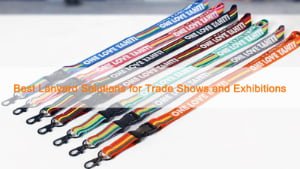
At large events, I’ve watched perfectly good lanyards fail for one simple reason: the wrong attachment. A weak hook bends, a clip slips, or a phone tab tears—then badges and devices disappear into the crowd.
Lanyard attachments are the “interface” between the strap and what you carry. They shape safety, ease of use, security, and overall comfort. Choose the right attachment, and you prevent accidents, speed up check-ins, and protect valuables—at work, school, conferences, and beyond.
I learned this the hard way when a badge flew off mid-conference. This guide is built to help you avoid the same chaos—by matching the right attachment to the right job.
What Are Lanyard Attachments and Why They Matter?
Lanyard attachments are the hardware components that connect the strap to your item. They control how firmly your item stays attached, whether it rotates smoothly, how quickly it can be removed, and whether it releases under force for safety.
Because different environments demand different performance, attachments aren’t interchangeable. Here are the main categories and what they’re best at:
| Attachment Type | Common Use Case | Key Benefit |
|---|---|---|
| Metal Hook | ID cards, keys, small tools | Strong, durable connection |
| Clip | Badge holders, event passes | Fast attach/remove |
| Safety Breakaway | Schools, medical, industrial sites | Releases under tension |
| Badge Reel | Access control, frequent scanning | Retractable reach |
| Phone Strap & Tab | Smartphones, small devices | Reduces drops, hands-free |
| Quick-Release Buckle | Multi-part setups, frequent removal | Rapid detachment |
| Modular Connector | Mixed attachments | Flexible configurations |
A good rule: start with the item + environment, then choose the attachment that supports the way people actually move, scan, and work.
Metal Hooks: Types, Pros/Cons, Best Uses
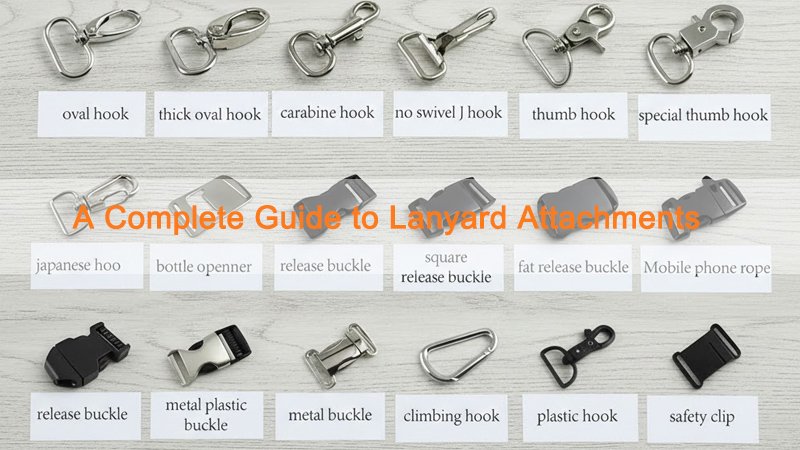
Metal hooks are the most common option for everyday carry because they’re generally sturdy and compatible with many badge holders and key setups. Quality differences matter most at the spring gate, swivel, and finish (wear and corrosion resistance).
Here are four widely used hook styles:
| Hook Type | Pros | Cons | Best Use |
|---|---|---|---|
| Trigger | Easy one-handed operation | Spring tension can weaken over time | Keys, tools, daily carry |
| Lobster | Secure closure, smooth feel | Can be harder with gloves | ID badges, keys |
| Bolt Snap | More “locked-in” feel | Slower to open/close | Tools, higher-security use |
| Key Ring | Simple, universal compatibility | Slow to add/remove | Permanent key setups |
Pro tip: If comfort matters (especially with phones), choose a swivel hook to reduce twisting and strap wear.
Clips and Badge Solutions
Clips and reels are badge-first solutions—ideal when visibility and fast scanning matter. Clips attach to clothing or badge holders; reels extend your badge to a reader and retract automatically.
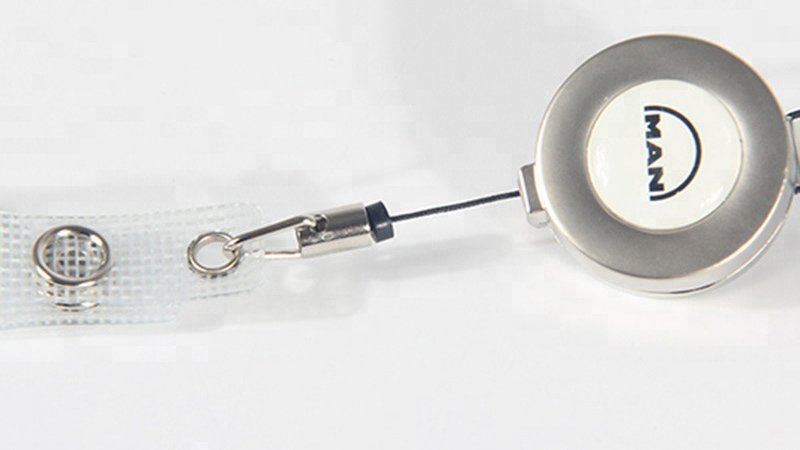
Use this comparison to match the mechanism to your clothing and workflow:
| Solution | Mechanism | Ideal For | Limitation / Watch-Out |
|---|---|---|---|
| Alligator Clip | Serrated jaw clamp | Thick fabrics (jackets, uniforms) | Can damage delicate fabrics |
| Bulldog Clip | Flat clamp | Paper badges, event passes | Bulkier feel |
| Badge Reel | Retractable cord | Frequent access control scanning | Cord can tangle; retract cycles vary |
| Magnetic Clip | Magnets | Delicate fabrics (no pin holes) | Test with cards/devices before rollout |
| Swivel Clip | Rotating clip | Keeps badge aligned | Slightly heavier |
Practical note: If your ID uses magnetic stripes (less common today) or you carry sensitive devices, do a quick test with magnets before large-scale use.
Safety Breakaways: When You Need Them + How They Work
Safety breakaways are designed to release when the lanyard is pulled or snagged, reducing choking or entanglement risk. They’re common in schools, healthcare, factories, labs, and any environment with moving equipment or child safety policies.
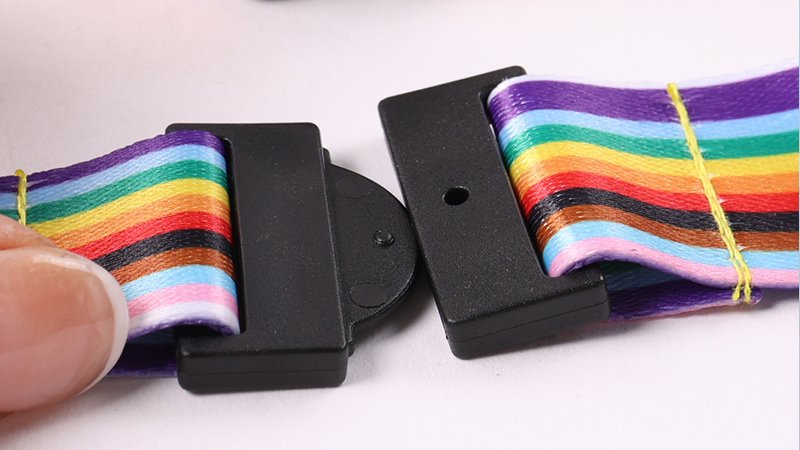
A breakaway typically uses two interlocking halves that separate under a preset pull force. Release force varies by design and policy, so treat it as a spec to verify, not a guess.
| Release Level (Typical) | Recommended For | Notes |
|---|---|---|
| Low | Childcare, schools | Prioritize reliable release |
| Medium | Offices, retail, conferences | Balance between safety & stability |
| Higher (policy-driven) | Industrial sites (where allowed/needed) | Must match site safety rules |
Best practice: For any safety-driven purchase, request supplier test data (and confirm your school/workplace requirements).
Phone Straps & Phone Tabs: Modern Carry Options
Phone carry is now a major use case, and attachments fail most often at the tab hole, adhesive bond, or case interface. The right system reduces drops, frees pockets, and keeps devices accessible.
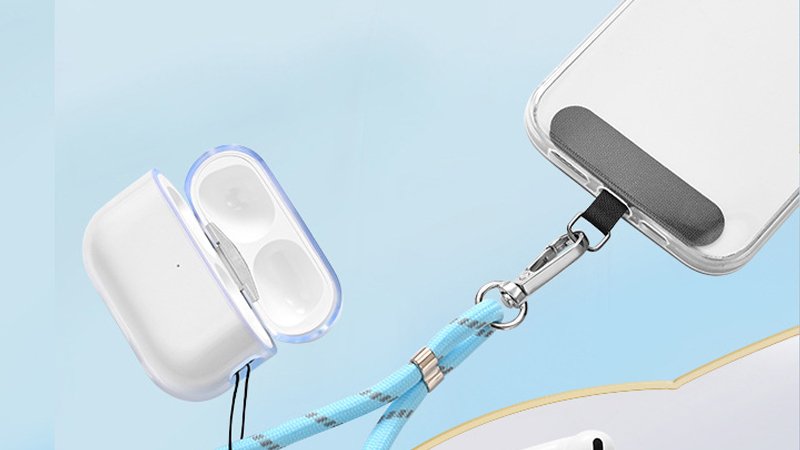
Common phone attachment approaches:
| Tab Type | Attachment Method | Pros | Cons / Watch-Out |
|---|---|---|---|
| Adhesive Tab | High-bond adhesive (varies) | Works with many cases | Adhesive strength depends on surface |
| Rivet/Hardware | Reinforced hardware attachment | Very secure, durable | Requires case design or modification |
| Case Slot Tab | Tab routed through case opening | No adhesive; clean setup | Fit depends on case design; tab quality |
Pro tip: For phones, choose reinforced tabs (tear-resistant material + reinforced hole) and pair with a swivel hook to reduce twisting.
Rings, Loops, and Modular Connectors
Rings and connectors are the “building blocks” for custom setups—great for USB drives, tools, and multi-part carry systems. They’re also useful when you want to combine a hook + reel + quick-release.
| Connector Type | Mechanism | Use Case | Benefit |
|---|---|---|---|
| Split Ring | Twisted metal loop | Keys, small tools | Secure, universal fit |
| D-Ring | Flat loop | Badges, USB drives | Low profile |
| Modular Clip | Snap-together connector | Multi-attachment setups | Quick swapping |
| S-Hook | Open “S” shape | Workshop tools (controlled) | Fast on/off (less secure) |
Tip: If accidental drop is a concern, avoid open connectors (like S-hooks) unless the environment is controlled.
Quick-Release Buckles and Detachable Setups
Quick-release buckles allow you to detach a section of the lanyard without removing it from your neck or body. They’re popular for conferences, staff workflows, and any situation requiring frequent hand-offs.
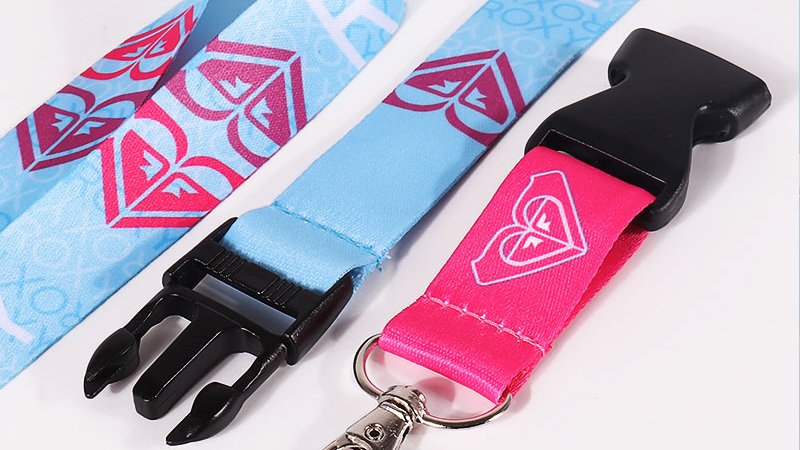
| Buckle Type | Material Options | Best For | Notes |
|---|---|---|---|
| Side-Release | Plastic (varies) | ID lanyards, daily quick detach | Choose quality resin for cold climates |
| Metal Buckle | Metal alloys (varies) | Heavy-duty work gear (non-life-safety) | Not for climbing or life-safety use |
| Ladder Lock | Plastic (varies) | Adjustable strap length | Great for fit control |
| Snap Clip | Metal spring (varies) | Tool tethering and quick clipping | Consider noise and finish wear |
Safety note: Lanyard hardware is not designed for life-safety applications.
How to Choose the Right Attachment (Quick Checklist)
A professional selection process starts with use conditions, not just appearance. Use this checklist before ordering.
| Step | Question | What to Do |
|---|---|---|
| 1 | What item are you carrying? | Badge, keys, phone, tools each need different hardware |
| 2 | How often will it be detached/scanned? | Frequent scanning → consider a badge reel |
| 3 | Is quick release required? | Add quick-release buckle or detachable segment |
| 4 | Any snag/choking risk or safety policy? | Add a safety breakaway and verify required release specs |
| 5 | What environment (humidity/cold/chemicals)? | Choose suitable material/finish; request corrosion info |
| 6 | Are you buying in bulk? | Always test a small sample batch first |
Common Buying Mistakes + Pro Tips
Most failures come from skipping validation. A small sample test can save a large replacement cost.
| Mistake | Why It Matters | Pro Tip |
|---|---|---|
| Ignoring real-world load and movement | Hooks bend, gates open, tabs tear | Test with actual items + daily motion |
| Skipping breakaways where required | Raises safety risk and policy issues | Confirm requirements before ordering |
| Not checking material/finish quality | Rust, peeling, and early wear | Ask for material info and finish options |
| No prototype run | Bulk waste if attachment is wrong | Order a small trial batch first |
| Environment mismatch | Plastics crack in cold; metal corrodes | Match to climate and workplace conditions |
FAQ
Q: How much weight can a metal hook hold?
A: It varies widely by design, material, and supplier quality. For bulk purchases, request manufacturer specifications or test data—and validate with sample testing.
Q: Do breakaways reduce overall strength?
A: A breakaway is meant to release under force, so yes—release force is a core feature. Choose the level that matches your safety policy and environment.
Q: Can badge reels be reused?
A: Yes. Replace reels if the cord is frayed, the retraction weakens, or the housing cracks.
Q: Are magnetic clips safe for ID cards?
A: Many work fine, but some magnets may affect magnetic-stripe cards or certain devices. Test first, especially before large deployments.
Q: What lasts longer—plastic or metal buckles?
A: Metal can last longer in rough conditions, but quality varies. For everyday ID use, a well-made plastic buckle is often sufficient.
Conclusion
The best lanyard isn’t just a strap—it’s the right attachment system for your item, workflow, and environment. Use hooks for dependable carry, reels for fast scanning, breakaways for safety-sensitive areas, and phone tabs that are reinforced where they fail most.
Before placing a full order, test a small batch, simulate real use, and confirm any safety requirements. That one step prevents most failures—and keeps badges, phones, and people safe.