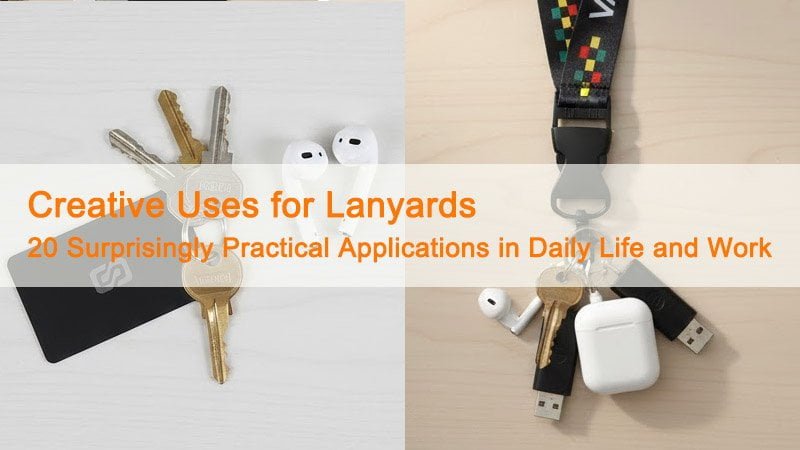
I hit constant chaos when my keys vanished again—usually right when I needed to leave. That small delay always stacked into a bigger one: searching, re-checking pockets, and walking back through rooms I’d already been in.
Eventually, I stopped treating it as “just forgetfulness.” I treated it as a system problem—and fixed it with one simple tool.
Lanyards can save time, keep essentials within reach, and reduce daily friction by creating a hands-free carry point for the items you use most. When used well, they’re not just for badges. They’re a compact organization system you can wear.
Why Lanyards Work
I lost my badge on my desk last week. Not a big loss—just an annoying one. But it reminded me how often we misplace things that are small, flat, or frequently handled. The issue isn’t the item; it’s the lack of a consistent “home” for it.
A lanyard solves that by keeping essentials attached to your body—around your neck, on a wrist strap, or clipped to a bag. It reduces loss, speeds up access, and keeps your hands available for actual tasks.
The “Wearable Cue” Effect
In practice, our habits improve when objects have a clear, consistent place. A lanyard acts as a wearable cue: you see it, feel it, and you know where your items are. That simple feedback loop reduces “search time” and helps you build a repeatable routine—clip it, carry it, find it instantly.
| Benefit | What it changes in real life |
|---|---|
| Visibility | Less time searching for keys/badges/devices |
| Accessibility | Faster retrieval during frequent tasks |
| Habit support | A consistent “home” for small essentials |
| Hands-free access | Lower drop risk and smoother task flow |
Once I started clipping a USB drive and a small flashlight to a lanyard, I noticed two things: I used them more (because they were easy to reach), and I lost them less (because they stopped floating around my desk).
Quick Guide: Choosing the Right Lanyard
I once bought a thin cord lanyard that looked fine online—and snapped under light pressure. That was the moment I learned: choosing a lanyard is less about appearance and more about matching the strap and hardware to what you’re actually carrying.
A quick way to choose: weight, wear time, and how often you unclip items.
Material and Clip Comparison
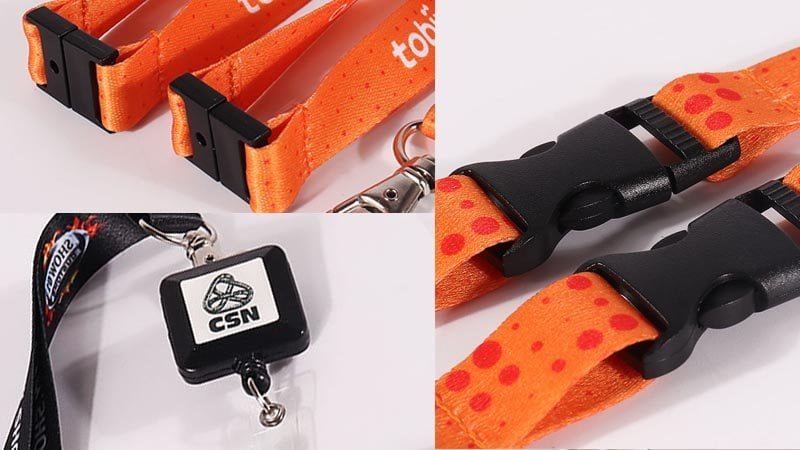
I test new lanyards with a realistic load: keys, a card holder, and sometimes a phone accessory. The strap should feel stable, and the clip should latch confidently. Here’s a clean way to compare common options:
| Material | Durability | Comfort | Best For |
|---|---|---|---|
| Nylon | High | Moderate | Keys, heavier accessories, tools |
| Polyester | Medium | Soft | ID badges, events, daily carry |
| Paracord | Very high | Rough/rigid | Outdoor use, heavier carry needs |
| Silicone | Low–medium | High (soft) | Very light items (USB, key fobs) |
Hardware matters as much as material. Two clip choices are especially practical:
-
Breakaway clasp: Designed to release under force. Better for schools, factories, healthcare, and any snag-risk environment.
-
Detachable buckle: Lets you unclip keys or an access fob without removing the lanyard—ideal for frequent access points.
If you handle your badge or keys multiple times per day, a detachable buckle quickly pays for itself in convenience.
The 20 Practical Applications
I used to throw small gadgets into my bag and accept the daily shuffle—keys, pass cards, earbuds, USB drives, a small tool. Then I tried grouping the items I needed most onto a lanyard and it changed the feel of the day: fewer checks, fewer “where is it,” and fewer accidental drops.
Below are 20 practical ways to use lanyards in daily life and work. I’ve included a quick “best setup” for each so you can apply them immediately.
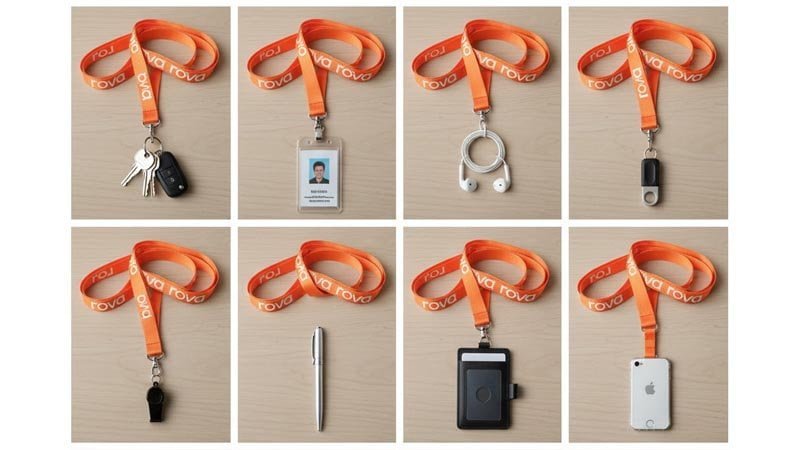
Top 10 Everyday Hacks
-
Key holder
Best setup: Detachable buckle + keyring
Why it helps: Unclip keys instantly at doors without removing the lanyard. -
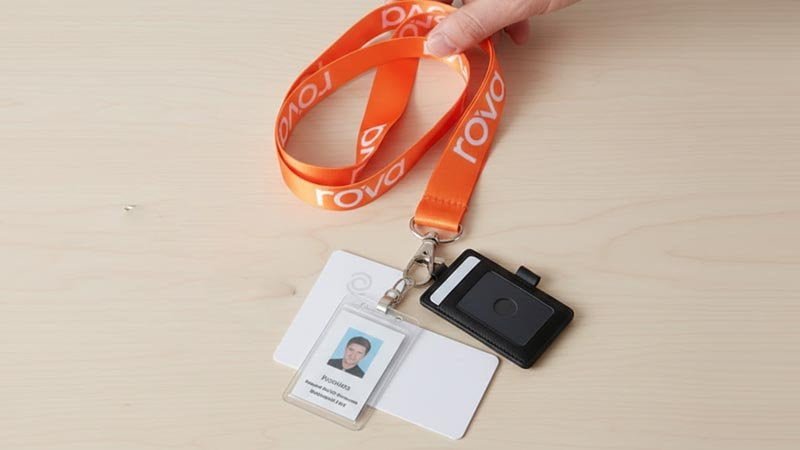
ID badge strap
Best setup: Breakaway lanyard + clear badge holder
Why it helps: Faster access and easier compliance in offices or campuses. -
USB drive clip
Best setup: Slim lanyard + swivel hook
Why it helps: Keeps small storage devices from disappearing into desk clutter. -
Small flashlight carrier
Best setup: Nylon lanyard + sturdy hook
Why it helps: Useful for night walks, security rounds, or power-outage kits. -
Earbud tether
Best setup: Short wrist lanyard + mini clip
Why it helps: Prevents the “left it on the table” moment at cafés or gyms. -
Pen and stylus holder
Best setup: Lanyard with pen loop (or add-on loop)
Why it helps: Especially handy for clipboards, sign-ins, and tablet users. -
Card pouch strap (minimal wallet alternative)
Best setup: Soft polyester + slim card holder
Why it helps: Great for commuting, quick errands, and travel days. -
Phone charm / anti-drop attachment
Best setup: Adjustable lanyard + phone patch + strong hook
Why it helps: Reduces drop risk in crowded areas or fast-moving work settings. -
Whistle keeper
Best setup: Simple strap + lightweight hook
Why it helps: Useful for coaches, lifeguards, and outdoor group leaders. -
Mini tool band
Best setup: Nylon or paracord + reinforced stitching + carabiner
Why it helps: Keeps small tools handy for light-duty tasks.
10 Work and Travel Tricks
-
Travel ticket / boarding pass holder
Best setup: Lanyard + badge holder (vertical)
Why it helps: Faster transitions at gates and transport checkpoints. -
Hotel key card keeper
Best setup: Soft lanyard + card sleeve
Why it helps: Stops key cards from getting lost in pockets or bags. -
Hand sanitizer holder
Best setup: Lanyard + small bottle holder loop
Why it helps: Quick hygiene access during events, travel, or field work. -
Portable charger tie
Best setup: Strong strap + short tether
Why it helps: Keeps a power bank from vanishing at shared desks or conferences. -
Badge scanner readiness (events/venues)
Best setup: Heavy-duty lanyard + retractable reel
Why it helps: Smooth repeated scanning without drops or tangles. -
Small camera remote / access device grip
Best setup: Wrist lanyard + swivel hook
Why it helps: Reduces misplacement during shoots or site visits. -
Safety whistle loop (emergency readiness)
Best setup: Breakaway (neck) or wrist strap (outdoors)
Why it helps: Immediate reach in emergencies—especially for group travel. -
Sunglasses strap alternative
Best setup: Soft strap + connector loop
Why it helps: Prevents drops during commuting, hiking, or work-on-the-go. -
Mask + essentials mini kit
Best setup: Lanyard + small pouch (lightweight)
Why it helps: Keeps frequently needed items together during travel seasons. -
Access fob / 2FA security token keeper
Best setup: Detachable buckle + keyring
Why it helps: Reduces lockouts and speeds up secure access workflows.
Conclusion
A lanyard looks simple, but it solves a real problem: small items cause outsized friction when they’re easy to misplace and constantly needed. The right lanyard setup creates a reliable carry system—one you can repeat daily without thinking.
If you want the most impact, start with the items you touch most often (keys, ID, phone) and build a small, clean setup around them. The benefits show up fast: fewer lost minutes, fewer dropped items, and a smoother daily flow.