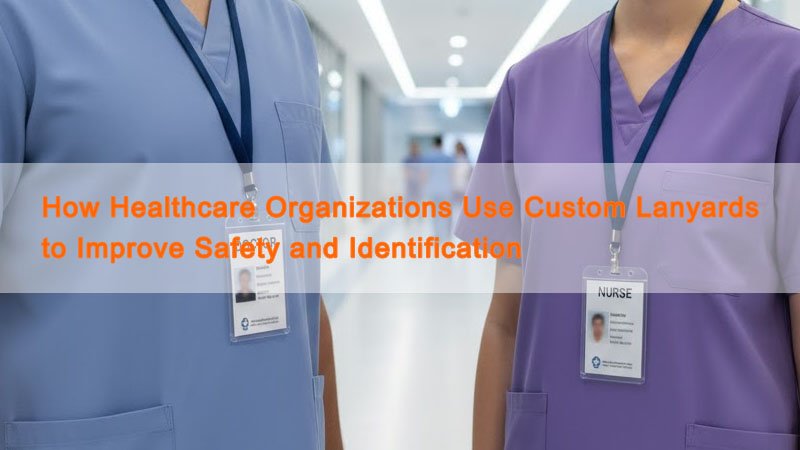
I saw staff mix-ups cause delays and stress. It hurt patients and care teams. I needed a simple fix that could be implemented fast.
Custom lanyards can combine clear identification, role visibility, and badge access support in one practical tool. When used well, they help reduce confusion, improve response time, and strengthen everyday safety practices.
I kept looking for ways to help our team and patients feel safer and more recognized. What I learned is simple: a small item can make a meaningful operational difference. Here is what I found.
Why does identification matter in healthcare?
I noticed unclear or inconsistent ID created wasted time and risk. Patients felt unsure, and staff felt frustrated.
Clear identification helps reduce mistakes. A visible name badge and role marker on a lanyard helps patients and teams know who they are speaking with right away.

I once watched a nurse try to calm a patient who did not know who she was. The patient was scared and kept asking each person who walked by, “Who are you?” It took extra time to reassure the patient and continue care. A clearly displayed badge on a lanyard could have eased that moment much faster.
Clear ID supports faster communication and more confident interactions. It also helps reduce wrong-room entries and repeated identity checks. In our unit, once badges became easier to see, staff could spend more time on care and less time clarifying roles.
How do color-coded lanyards improve instant role recognition?
I saw teams lose valuable time guessing who did what in urgent situations. In healthcare, that delay can add risk.
Color-coded lanyards help staff, patients, and visitors identify roles at a glance—such as nurse, doctor, therapist, or visitor support.

I remember a code situation where I rushed in and needed to understand roles immediately. Because each person wore a bold, color-coded lanyard marked with their role, it was much easier to identify the lead clinician and follow directions without hesitation.
We used a simple role-color chart:
| Role | Color |
|---|---|
| Doctor | Red |
| Nurse | Blue |
| Therapist | Green |
| Visitor/Other | Grey |
This made onboarding easier. New hires learned the system quickly, and teams reported fewer role-recognition mix-ups. A simple visual standard made the environment feel safer and more organized.
How do custom lanyards support safer access control practices?
I had seen badges misplaced or casually shared, which created risk around secure areas. We needed a better way to keep access credentials visible and tied to the correct person.
Lanyards with badge holders, secure attachments, and breakaway features can support safer badge handling and improve badge visibility throughout a shift.
I saw staff remove badges for convenience and, in some cases, pass them briefly to others. That created an avoidable security gap. We moved to lanyards with enclosed photo badge holders and more secure attachment options. In some areas, we also used color cues to align with access levels.
For example, OR staff used a specific lanyard color paired with a durable holder. This made visual verification faster for supervisors and security staff. We also tracked lost badges more consistently and replaced them quickly.
The lanyards did not replace policy, training, or access-control systems—but they helped reinforce better badge visibility and day-to-day compliance.
How does patient and visitor management become more organized?
I saw visitors wander into the wrong hallways, and staff had to stop what they were doing to redirect them. It took time away from care.
Visitor lanyards with clear labels and time-based controls can make movement easier to manage and help staff recognize authorized visitors quickly.

We set up a simple visitor lanyard system:
| Tag Type | Color | Time Logged |
|---|---|---|
| Visitor Day | Yellow | Check-in / check-out |
| Vendor | Orange | Valid for 3 days |
| Contractor | Purple | Weekly check-in |
Each visitor received a lanyard with a badge and barcode. We scanned it at entry and exit, which improved our records and made it easier to confirm who was authorized in specific areas.
Staff reported spending less time resolving visitor confusion after the system was introduced. Families also seemed more comfortable because they could clearly identify who was staff and who was another visitor.
How does better compliance culture emerge through visual consistency?
I found that staff sometimes ignored badge rules when the system looked inconsistent. Old lanyards, faded prints, and mixed formats made the environment look less organized.
When all lanyards follow a clean, consistent design standard, staff are more likely to wear IDs properly and take identification rules seriously.

I once walked into a ward and saw worn lanyards mixed with damaged badges. It did not support the professional image we wanted, and it also made visual checks harder. We launched a standardized lanyard program with consistent size, print style, and department labeling.
Each lanyard displayed our logo and was paired with a clearly printed badge showing staff name, role, and department. We also held a short rollout session so everyone understood the purpose and expectations.
Within a short time, badge visibility improved noticeably. The consistent look supported both professionalism and safety habits.
Why do infection control and durability considerations matter?
I saw frayed lanyards that looked difficult to clean and worn out too quickly. That raised concerns about hygiene, replacement frequency, and long-term cost.
Choosing materials that are durable and easy to clean helps support hygiene routines and reduces waste from frequent replacement.
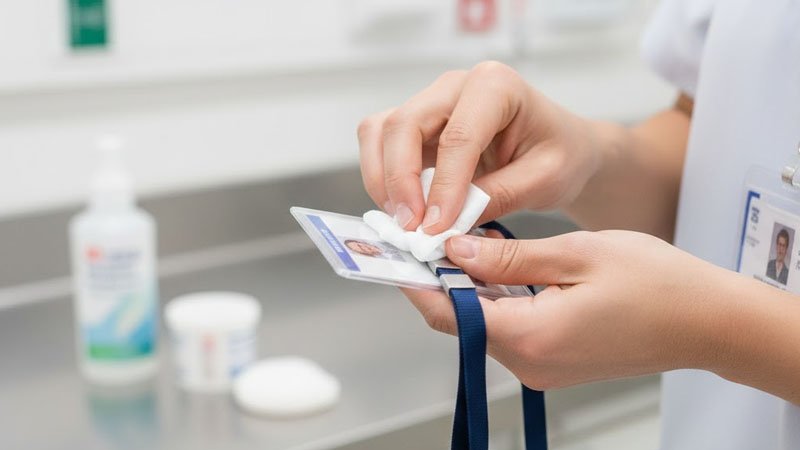
We tested nylon, polyester, and silicone in different departments. We looked at how they held up after repeated cleaning and daily use. In our handling tests, silicone performed well in high-cleaning environments because it stayed smooth and was easy to wipe and inspect.
Here is the comparison we used during evaluation:
| Material | Wash Cycle (Test) | Cleaning Method (Test) | Durability Score |
|---|---|---|---|
| Nylon | 30 | Quat-based spray | 3/5 |
| Polyester | 50 | Alcohol wipe | 4/5 |
| Silicone | 100 | Soap and water | 5/5 |
We selected different materials by use case: more durable, easy-clean options for higher-control areas, and polyester for general staff use. This reduced replacement frequency and improved overall appearance.
How can custom printing improve clarity and reduce misuse?
I noticed staff sometimes wrote temporary notes on paper tags, which faded quickly and looked unprofessional.
Clear, durable printing with readable text and role markers helps reduce confusion and discourages informal label changes.
We used high-resolution printing for names, role text, and QR codes. We also added small role icons to improve visual recognition—such as a stethoscope icon for doctors and a cross for nurses.
After rollout, staff said IDs were easier to read from a distance and looked more professional. The icons also helped in busy areas where quick visual recognition mattered.
How can lanyards improve patient experience indirectly?
I talked with patients who felt disoriented in hallways. Seeing staff in consistent, visible lanyards made them feel more at ease.
When patients can identify staff quickly, they often feel more confident, less anxious, and better supported.

I met a patient with low vision who told me he could identify a nurse more easily by a blue lanyard than by reading a small badge. That small visual cue helped him feel more in control before a test.
We later added a reflective element for night-shift visibility in certain units. Staff and patients both responded positively because role cues became easier to spot in lower-light conditions.
Lanyards do not replace communication, but they can support a calmer and more predictable patient experience.
What are best practices for healthcare lanyard programs?
I saw some units skip lanyard training, and the result was predictable: wrong colors, missing badges, and inconsistent use.
Clear policies, regular audits, and staff feedback are what keep a lanyard program effective over time.
We built a simple checklist:
| Step | Action |
|---|---|
| Policy Draft | Define colors, roles, materials |
| Staff Training | Show samples and explain usage |
| Audit Schedule | Weekly spot checks |
| Feedback Loop | Collect staff and patient input |
| Reorder Plan | Track stock and set reorder triggers |
We also held monthly reviews so we could fix mix-ups quickly and adjust details such as color shades or print readability. Once staff had a voice in the process, adoption improved and the program became more consistent.
What should procurement teams know for lanyard purchasing?
I sat with our buyers and realized they needed practical details—not just pricing. They wanted to understand quality, lead times, and reordering reliability.
Knowing the right questions to ask helps procurement teams choose lanyards that meet safety, operational, and budget needs.
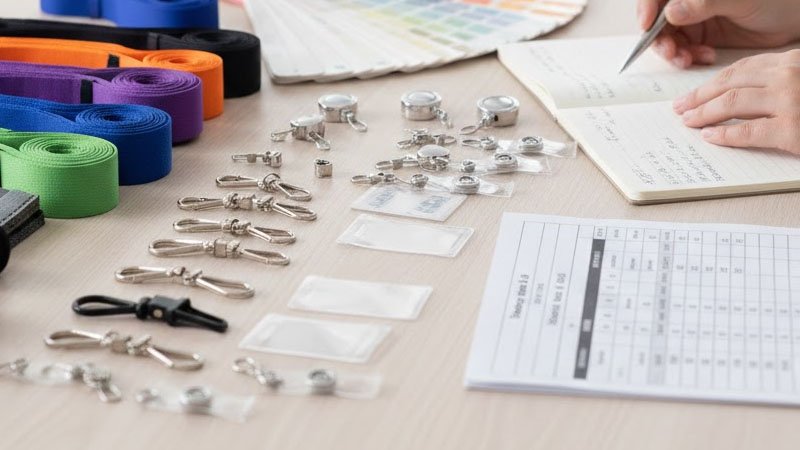
I asked our supplier these questions:
| Factor | Detail to Ask |
|---|---|
| MOQ | Minimum order quantity |
| Lead Time | Production and shipping timeline |
| Materials | Cleaning compatibility and durability |
| Printing QA | Sample proof and color matching process |
| Cost Breakout | Unit price, attachments, and add-ons |
These questions made planning easier. Procurement could compare options clearly, avoid rushed reorders, and choose configurations that fit each department’s needs.
For healthcare organizations with multiple sites, repeat-order consistency and color matching are especially important.
Conclusion
Custom lanyards are a small operational item, but they can deliver meaningful value in healthcare. They support clearer identification, stronger role recognition, better visitor management, and more consistent badge visibility.
When paired with good policies, staff training, and access-control procedures, custom lanyards can help healthcare organizations create a safer, more organized, and more reassuring environment for both patients and teams.