I used to feel overwhelmed by flashy lanyards that looked loud but failed fast. I wanted a simple solution—something reliable, comfortable, and clean. That’s when I realized better design can solve a very common pain point.
In 2026, lanyards are moving toward clean lines, eco-friendly materials, and added functionality. Brands are choosing less visual clutter, greener fabrics, and built-in features that add real value. These shifts reflect modern expectations for both style and performance.
I almost stopped paying attention—until I saw that a lanyard could be more than a basic strap and clip. Once I explored what’s possible, I found real momentum in designs that last longer and work smarter.
What makes minimalism the top lanyard trend?
I used to place logos everywhere on lanyards until the final result looked crowded. Over time, I saw how “less” often creates more impact—more clarity, more appeal, and a better user experience.
Minimalism removes unnecessary details and focuses on simplicity—one core color, a thin accent line, or subtle branding. Brands adopt minimalist styles for clean aesthetics and easy identification. Users can spot IDs quickly without distractions.
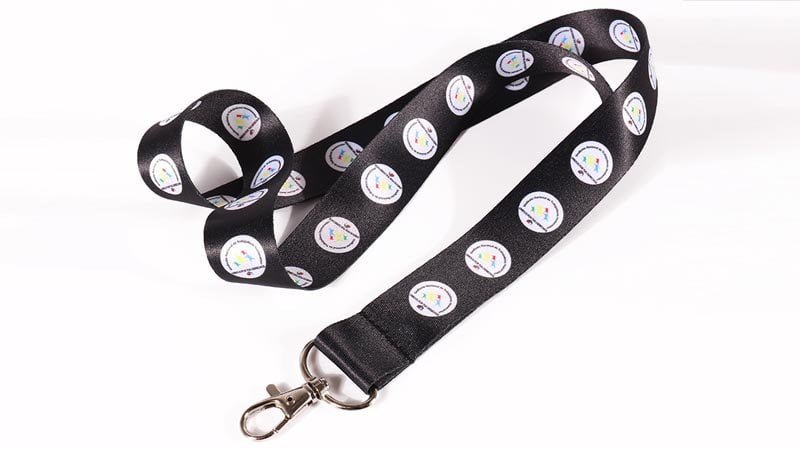
After studying lanyard designs over the past five years, I noticed that simple patterns often stand out best in real environments—especially in crowded events. Minimal designs allow badges to remain clearly visible and fit almost any setting, from corporate offices to trade shows.
A minimalist lanyard typically uses one or two tones, avoids oversized logos, and skips heavy prints. The result feels lighter, calmer on the neck, and looks modern and sharp.
To plan a minimalist lanyard, follow these steps:
| Step | Action |
|---|---|
| Select Color | Choose one or two neutral shades |
| Choose Material | Use flat polyester or woven webbing |
| Limit Print | Keep logos small or use tone-on-tone printing |
| Pick Hardware | Match metal/plastic hardware to the color palette |
This approach helped me reduce wasted design iterations and control production cost. Many clients prefer the clean look because it feels contemporary and more suitable for professional environments and safer event settings.
Why is sustainability a must for 2026?
I’ve seen how quickly disposable accessories pile up—especially nylon and plastic-based items that get used once and thrown away. I started looking for lanyards that perform well without adding unnecessary environmental harm.
Sustainable lanyards use recycled rPET, bamboo fiber, organic cotton, and other lower-impact materials. Many brands also prioritize suppliers aligned with ISO and BSCI requirements to meet growing demand for responsible sourcing.
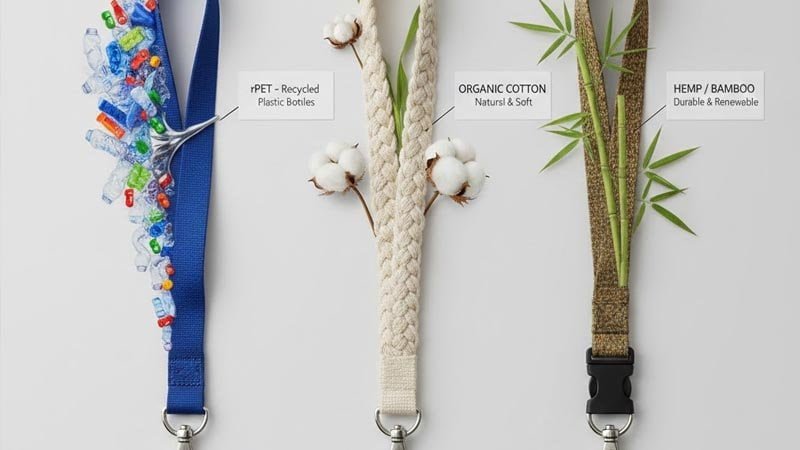
I first tested recycled rPET lanyards after a trade show, and I was surprised: they felt as strong and durable as standard polyester. With more eco-conscious dye options becoming available, brands can reduce environmental impact without sacrificing quality or visual performance.
Today, more buyers ask for proof of responsible production—such as quality systems, third-party testing, and audit documentation. To compare material options clearly, I use a simple scoring table:
| Material | Sustainability Advantage | Durability |
|---|---|---|
| Recycled rPET | Reduces plastic waste | High |
| Organic Cotton | Grown with fewer chemicals | Medium |
| Bamboo Fiber | Fast-growing, soft hand-feel | Medium–High |
| Hemp Blend | Low water use, strong texture | High |
These comparisons help brands choose the right balance between sustainability, comfort, and long-term use. When clients can tell a clear sustainability story, they feel more confident—and end users are proud to wear the product.
How has multi-functionality changed lanyard design?
I once misplaced my phone at an event and wished my lanyard could do more than hold a badge. That experience pushed me to explore designs that can carry everyday essentials safely and hands-free.
Multi-function lanyards now include phone holders, USB slots, detachable pouches, and quick-release systems. They provide practical convenience and help users carry essentials without relying on pockets or bags.
I developed a lanyard concept with a small zip pouch for cash and a loop for earbuds. It worked extremely well for outdoor events and long expo days. Later, I added a modular clip system for key cards and badge swaps.
Today, brands increasingly request pen holders, stylus loops, card sleeves, and even small power bank attachments. Here are some popular features and why they matter:
| Feature | Benefit |
|---|---|
| Zip Pouch | Secures small valuables |
| USB Slot | Supports charging on the go |
| Quick Release | Allows fast badge swaps |
| Cord Organizer | Keeps earphones/charging cords tidy |
I tested these features in real use by wearing the lanyard for eight hours at a conference. It held my badge, coins, and phone securely—and kept my hands free for coffee, networking, and moving between booths. This “all-in-one” approach is no longer a novelty; it’s becoming an expectation.
What drives these lanyard trends?
When I speak with brand managers and event organizers, the message is consistent: every promotional item must deliver more value. They want style, sustainability, and usability in one product.
A mix of design preferences, environmental pressure, and user needs is driving 2026 lanyard trends. Technology, sustainability requirements, and modern aesthetics are shaping product roadmaps across industries.
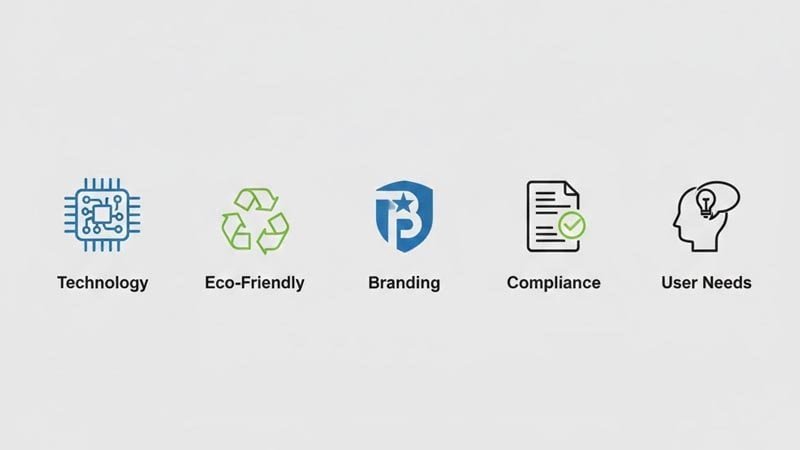
From what I’ve seen, five forces are shaping lanyard evolution:
-
Tech integration: users want quick access to devices, USB tools, or NFC-friendly systems.
-
Event requirements: many venues and organizers prefer simpler designs and eco-friendly materials.
-
Brand image: minimal visuals often communicate trust, professionalism, and modern identity.
-
Supply chain standards: factories with verified responsible practices win more projects.
-
User feedback: end users ask for lighter weight, stronger hardware, and smarter storage.
To navigate these forces, I use a simple framework:
-
Map tech needs: list what users carry daily.
-
Check compliance: confirm materials align with target-market requirements.
-
Align style: keep branding consistent with palette and logo scale.
-
Vet factories: request quality systems and audit documentation.
-
Survey users: collect real feedback and refine the design.
Using this framework across multiple trade fairs helped increase conversion and repeat orders. When a lanyard is clean, eco-minded, and genuinely useful, it becomes a product people keep—rather than discard.
Conclusion
In 2026, the strongest lanyard designs combine three priorities: minimalist aesthetics, sustainable materials, and multi-functional features. When these elements work together, lanyards become durable tools that users appreciate and brands trust. Why settle for less in 2026?