Long entry lines, misplaced tickets, payment bottlenecks, and access control issues are common challenges for event organizers. RFID wristbands offer a practical solution by enabling faster check-ins, cashless payments, and more accurate attendee management. However, choosing the right RFID wristband is not just about price. Event organizers also need to evaluate chip compatibility, wristband material, durability, security, customization, and supplier reliability before placing an order.
In this buying guide, we explain what RFID wristbands are, why they are widely used at events, what buyers should consider before ordering, and how to choose a reliable supplier for your project.
RFID wristbands use radio frequency identification technology to identify, manage, and track attendees. They are commonly used for event access control, cashless payments, guest identification, and real-time attendance data. For concerts, festivals, trade shows, corporate events, sports events, and theme parks, RFID wristbands can improve operational efficiency while enhancing the guest experience.
Poor-quality wristbands, incompatible chips, and weak planning can create delays instead of solving them. That is why event organizers should approach RFID wristbands as part of a complete event system rather than a simple promotional item. The right wristband can support smoother operations, stronger branding, and better event data from entry to exit.
What Is an RFID Wristband and How Does It Work?
An RFID wristband is a wearable band embedded with a small RFID chip and antenna. The chip stores data such as a unique ID number or other programmed information, while the antenna enables communication with an RFID reader. When the wristband comes within the reader’s range, the system recognizes the attendee and performs a specific action, such as granting entry, recording attendance, or processing a payment.
For event applications, RFID wristbands are typically used because they are hands-free, easy to scan, and difficult to misplace compared with paper tickets or plastic cards. They also support a faster and more seamless entry experience.
There are two main RFID categories used in broader applications:
- Passive RFID: Has no internal battery and is powered by the reader signal. It is the most common option for events because it is cost-effective, lightweight, and easy to deploy.
- Active RFID: Contains a battery and can support longer read distances, but it is more expensive and is usually reserved for specialized tracking applications or very large sites.
In most event scenarios, passive RFID is the preferred choice because it balances performance, cost, and practicality.
RFID Wristband Types at a Glance
| Type | Battery | Typical Range* | Cost Level | Best For |
|---|---|---|---|---|
| Passive RFID | No | Short to medium range | Lower | Festivals, conferences, concerts, trade shows |
| Active RFID | Yes | Longer range | Higher | Large venues, races, specialized tracking |
*Actual read range depends on chip type, reader power, antenna design, and the event environment.
Another important factor is frequency. Many event systems use 13.56 MHz HF/NFC technology for access control and cashless payment applications because it is widely supported and well suited for close-range interactions. However, the right frequency and chip type should always be confirmed with your software, readers, and event system provider before ordering.
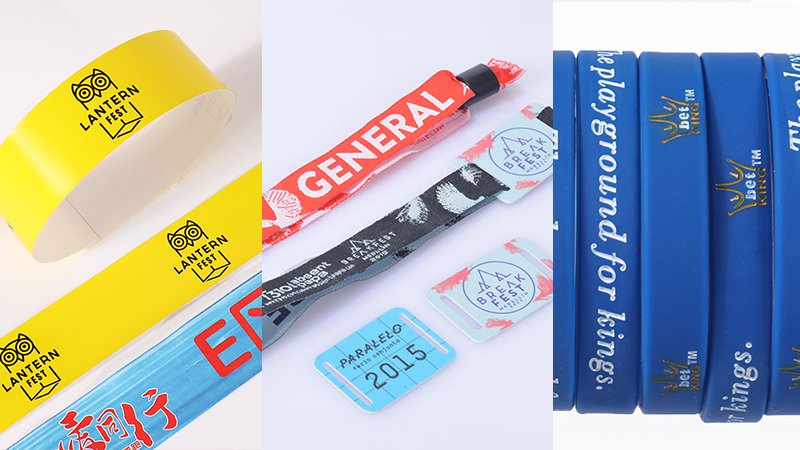
Material also plays a major role in performance and attendee comfort. Fabric RFID wristbands are often chosen for premium multi-day events, silicone wristbands are valued for waterproof durability, and PVC or other synthetic materials may be selected for specific operational needs. The right choice depends on the event setting, usage duration, and brand positioning.
Why Event Organizers Use RFID Wristbands

RFID wristbands are popular because they solve several operational problems at once. Instead of relying on printed tickets, manual check-in, or cash handling, organizers can use a single wristband for multiple functions throughout the event.
1. Faster Access Control
RFID wristbands can speed up guest entry by allowing staff to scan attendees quickly at gates or checkpoints. This helps reduce queue times, improve crowd flow, and lower pressure on front-line staff during peak arrival periods.
2. Cashless Payment Convenience
Many organizers use RFID wristbands to support cashless transactions for food, beverages, merchandise, lockers, or on-site services. A cashless payment system can reduce cash handling, simplify reconciliation, and create a smoother purchasing experience for attendees.
3. Better Attendee Management
RFID technology can help track attendance in real time, manage access levels, and monitor how guests move between different zones or activities. This is especially useful for trade shows, conferences, festivals, and VIP events where organizers need more visibility into participation and flow.
Each wristband can be assigned a unique identifier, making it easier to control entry permissions and reduce problems such as ticket duplication, pass sharing, or unauthorized re-entry. Combined with suitable system validation and secure encoding, RFID wristbands can improve event security.
5. Improved Event Data
RFID systems can generate valuable operational insights, including entry times, popular zones, purchase activity, and engagement patterns. This data can help organizers optimize staffing, improve layout planning, evaluate sponsor performance, and make better decisions for future events.
6. Stronger Guest Experience
From the attendee’s perspective, RFID wristbands are convenient, modern, and easy to use. They reduce the need to carry paper tickets, cash, or multiple credentials, which can create a more seamless and memorable event experience.
Key Factors to Consider Before Buying RFID Wristbands
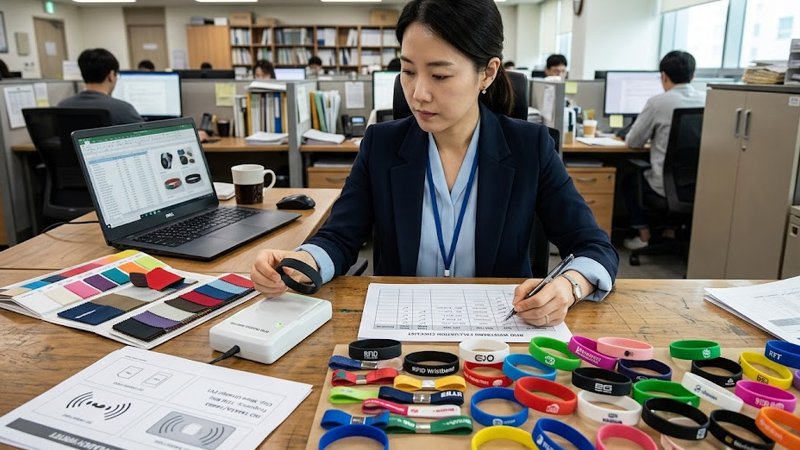
Choosing the right RFID wristband requires more than comparing quotations. Buyers should evaluate the wristband as part of a complete event operation.
1. Event Type and Duration
Start by defining the event clearly. A one-day conference may need a simple and professional RFID solution, while a multi-day music festival may require a more durable, tamper-evident, and weather-resistant wristband. Water parks, sports events, and outdoor festivals may need waterproof materials and stronger wear resistance.
Questions to consider include:
- Is the event indoor or outdoor?
- Is it single-day or multi-day?
- Will the wristband be disposable or reusable?
- Will attendees wear it continuously for long periods?
2. Chip Type and System Compatibility
Compatibility is one of the most important buying factors. Before ordering, confirm that the RFID chip matches your readers, software platform, access control system, payment solution, and encoding requirements.
Buyers should verify:
- chip frequency
- protocol compatibility
- memory requirements
- encoding format
- integration with existing hardware and software
A visually attractive wristband is of little value if it cannot work smoothly with the event system.
3. Wristband Material
Material affects comfort, durability, appearance, and price. Common options include:
- Fabric RFID wristbands: Comfortable, premium-looking, suitable for festivals and multi-day events
- Silicone RFID wristbands: Waterproof, reusable, durable, suitable for sports venues, pools, and outdoor use
- PVC or vinyl RFID wristbands: Tough and practical for certain operational environments
- Paper or disposable wristbands with RFID inlays: Economical for short-term use where lower cost is a priority
When selecting a material, consider both attendee comfort and the operational conditions of the event.
4. Security Features
For paid-entry events, VIP access management, and cashless systems, security matters. Buyers should ask about:
- unique UID or serialized identification
- tamper-evident closures
- data encoding options
- anti-duplication measures
- backend validation support
The appropriate security level depends on the event’s risk profile and the value of the access or transactions linked to the wristband.
5. Customization and Branding
RFID wristbands also function as visible branded items during the event. Customization options may include:
- logo printing
- woven logos
- color matching
- variable numbering
- QR code integration
- custom packaging
For many organizers, the wristband is one of the most visible touchpoints of the brand experience, so print quality and finishing should not be overlooked.
6. Quantity, MOQ, and Budget
Different suppliers offer different minimum order quantities and pricing structures. Buyers should compare not only unit price but also total value, including material quality, printing quality, chip reliability, and service support.
A lower price may look attractive initially, but poor performance can lead to replacement costs, operational disruption, and damage to the attendee experience.
7. Lead Time and Logistics
RFID wristband orders often involve more than standard wristband production. Lead time may include:
- artwork preparation
- sample approval
- chip sourcing
- data encoding
- production
- packaging
- international shipping
For time-sensitive events, buyers should build in enough time for testing and possible revisions before mass production.
8. Supplier Support
A strong supplier should provide more than manufacturing. Good support may include:
- material recommendations
- chip suggestions
- artwork assistance
- sample development
- production updates
- quality control
- export packaging
For event projects with fixed deadlines, responsive communication and problem-solving support are often just as important as the product itself.
Common RFID Wristband Buying Mistakes to Avoid
Even when event organizers understand the benefits of RFID, certain sourcing mistakes can still create costly problems. Avoiding the following issues can help reduce risk.
Choosing Based on Price Alone
The cheapest option is not always the most cost-effective. Low-grade materials, unstable chips, or poor finishing can result in scan failures, damaged branding, and attendee complaints.
Ignoring Compatibility Checks
One of the most common mistakes is ordering wristbands before confirming they work with readers and software. Always test compatibility early in the buying process.
Skipping Sample Testing
Samples help buyers assess print quality, fit, closure type, material feel, and scanning performance before mass production. Skipping samples can lead to avoidable problems at the final delivery stage.
Overlooking Security Needs
Not every event requires the same level of security. A high-value festival or cashless payment system may need stronger controls than a simple registration event. Buyers should match the wristband solution to the actual risk level.
Underestimating Lead Time
Production and shipping delays can have serious consequences when event dates are fixed. Last-minute ordering reduces flexibility and increases the risk of mistakes.
Neglecting Data and Operational Planning
RFID wristbands work best when the entire event workflow is prepared properly. Organizers should also consider staff training, backup procedures, data handling, and on-site testing to ensure the system runs smoothly.
How to Choose the Right RFID Wristband Supplier
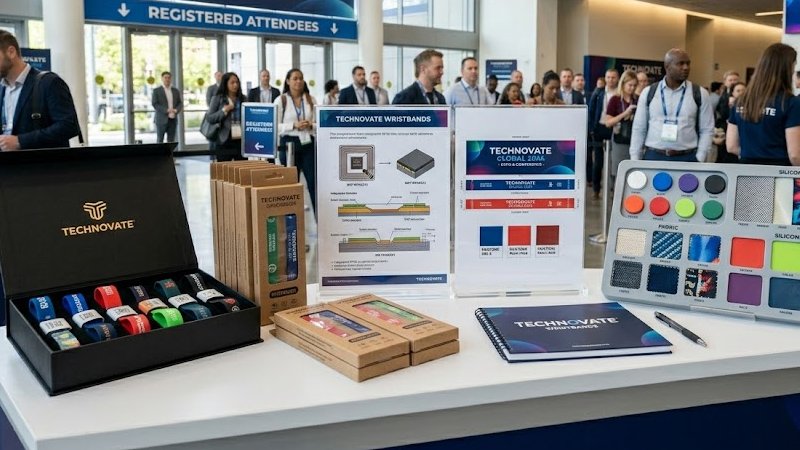
A reliable supplier should act as a production partner, not just a seller. The right manufacturer can help buyers reduce sourcing risks and make better technical and material decisions.
1. Review Experience in Event Wristband Production
Choose a supplier with proven experience in RFID wristbands for events. A supplier familiar with concerts, festivals, conferences, sports events, and corporate programs is more likely to understand the practical requirements of event operations.
2. Check Quality Systems and Certifications
Quality certifications and factory standards can provide added confidence. Depending on your sourcing priorities, relevant credentials may include ISO quality management systems, social compliance audits, and third-party product inspections.
3. Ask for Samples and Previous Project Examples
Samples are essential for checking material, workmanship, print quality, and comfort. Previous project examples can also help buyers evaluate whether the supplier can meet similar branding or event requirements.
4. Evaluate Communication Speed and Technical Support
Fast and clear communication matters, especially for custom orders. A supplier should be able to answer questions about material options, chip types, customization, timelines, and packaging without unnecessary delay.
5. Confirm Production Capacity and Delivery Reliability
For large event orders, production capacity is important. Buyers should confirm whether the supplier can handle the required volume, maintain quality consistency, and deliver on schedule.
6. Look for Flexible Customization and Packaging Support
A strong supplier should support custom colors, logos, different attachment options, barcoding, labeling, and export-ready packaging where needed. This is especially useful for distributors, agencies, and organizers with multi-location fulfillment needs.
Conclusion
RFID wristbands have become an important tool for modern event management because they can improve check-in speed, support cashless payments, strengthen access control, and provide valuable attendance data. For event organizers, the best RFID wristband is not simply the lowest-cost option. It is the solution that fits the event’s operational needs, technical system, branding requirements, and timeline.
Before placing an order, buyers should carefully evaluate event type, chip compatibility, material, security features, customization, quantity, and supplier support. With the right planning and the right manufacturing partner, RFID wristbands can help create a smoother, safer, and more professional event experience.
If you are sourcing custom RFID wristbands for festivals, concerts, trade shows, conferences, corporate events, or sports events, working with an experienced supplier can help you reduce risk and improve purchasing efficiency from sampling to final delivery.