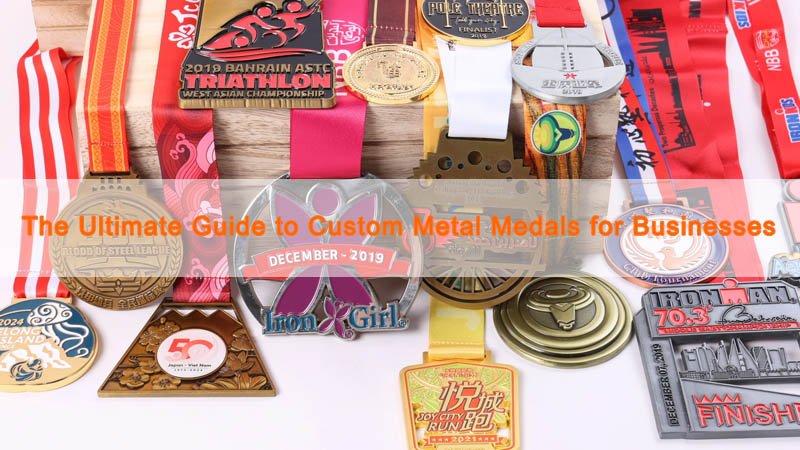
Metal medals are more than just symbols of achievement—they are a reflection of your brand’s prestige and professionalism. From sports events and employee recognition to commemorative occasions, high-quality medals elevate the perceived value of your events and leave lasting impressions.
This guide explores the main types of metal medal manufacturing techniques, their features, advantages, and ideal applications. We’ve also included real-world examples, comparison tables, and actionable insights to help businesses make informed purchasing decisions.
1. Die-Cast Medals
Characteristics:
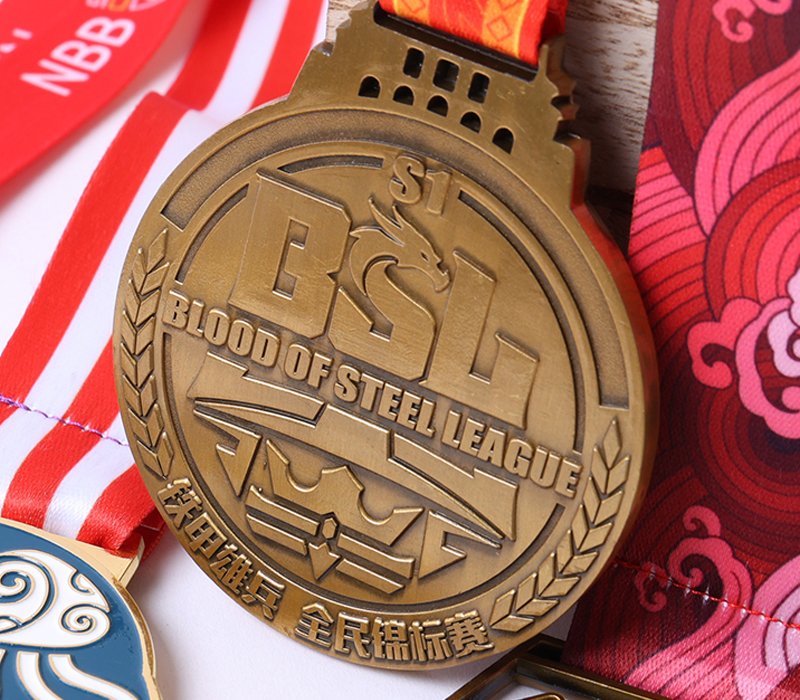
Die-cast medals are produced by pouring molten metal into precision molds, creating intricate 3D designs with layered textures and deep engravings.
Advantages:
-
High Detail Precision: Perfect for complex logos and multi-layered designs.
-
Exceptional Durability: Resistant to wear and corrosion, ideal for long-term display.
-
Premium Appearance: Polished surfaces and dimensional designs convey luxury.
Ideal Applications:
-
Executive or corporate recognition awards
-
High-profile sporting events (international marathons, championship tournaments)
-
Cultural or commemorative events
Case Studies:
-
2022 Guangzhou International Marathon: 5,000 die-cast medals delivered with 98% customer satisfaction; medals retained premium quality for over three years.
-
Tech Company Annual Awards: Die-cast medals for “Innovation Excellence Award” enhanced event prestige and recipient experience.
2. Stamped Medals
Characteristics:
Stamped medals are made by pressing designs onto metal sheets under high pressure, resulting in a smooth, flat surface with sharp details.
Advantages:
-
Cost-Effective: Ideal for bulk orders.
-
Lightweight & Durable: Easy to wear while remaining sturdy.
-
Classic Look: Suitable for traditional or formal events.
Ideal Applications:
-
School sports competitions and charity runs
-
Academic achievements and graduations
-
Community recognition events
Case Studies:
-
Large Middle School Sports Day: 2,000 stamped medals provided a cost-effective solution with excellent quality.
-
Charity Marathon: Bulk stamped medals enabled budget control without compromising durability.
3. Electroplated Medals
Characteristics:
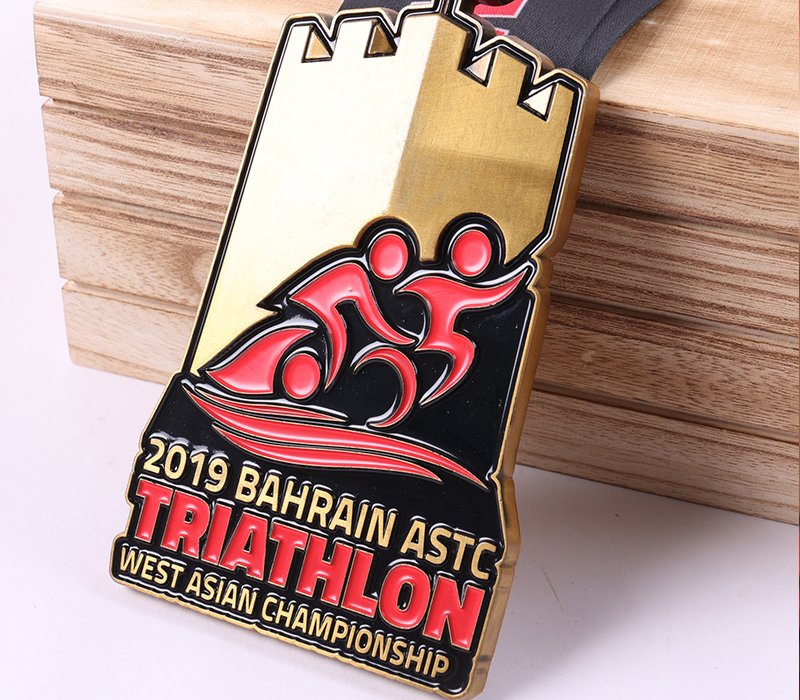
Electroplating applies a thin layer of metal—gold, silver, or bronze—onto a base medal, giving a smooth, premium metallic finish.
Advantages:
-
High-End Appearance: Shiny metallic finish enhances visual appeal.
-
Corrosion Resistant: Ensures long-lasting shine and durability.
-
Customizable: Single-color, dual-tone, or multi-layer plating options available.
Ideal Applications:
-
Corporate recognition and sales awards
-
High-profile international competitions
-
Government or formal commemorative events
Case Studies:
-
International Badminton Open: 500 electroplated medals delivered with exceptional luster and corrosion resistance, earning praise from participants.
4. Enamel-Filled Medals
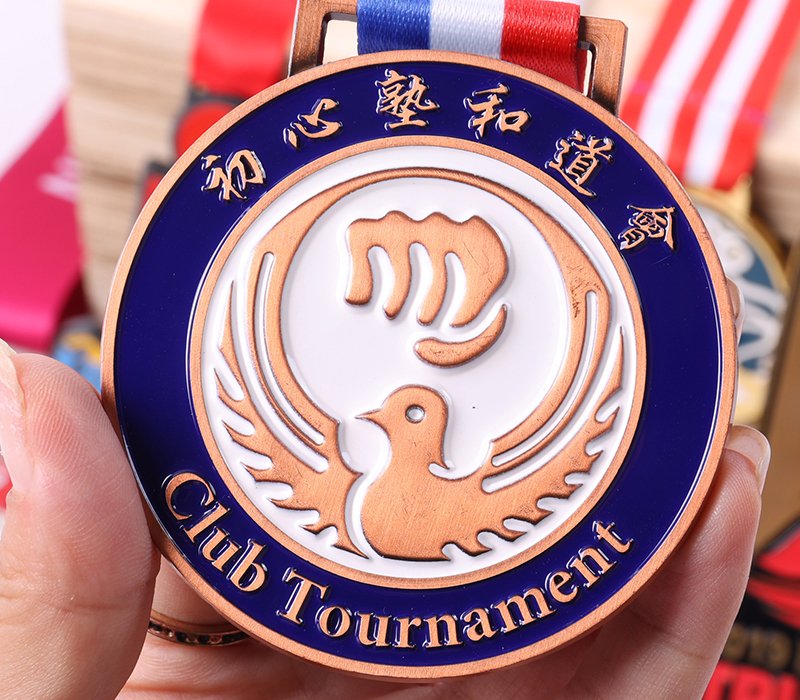
Characteristics:
Enamel-filled medals feature recessed areas filled with colored enamel, available as soft or hard enamel. Soft enamel is slightly recessed, while hard enamel is level with the metal surface.
Advantages:
-
Vibrant Colors: Eye-catching designs with bold visual appeal
-
Durable: Resistant to fading, maintaining vibrant designs over time
-
Highly Customizable: Perfect for intricate logos, text, or patterns
Ideal Applications:
-
Corporate promotional events and giveaways
-
Commemorative souvenirs for trade shows or cultural festivals
-
Youth sports and school awards
Case Studies:
-
Brand Product Launch: Enamel medals as giveaways received high participant engagement and positive feedback.
-
Youth Soccer League: Soft enamel medals added a fun, vibrant touch that engaged young participants.
5. Antique Finish Medals
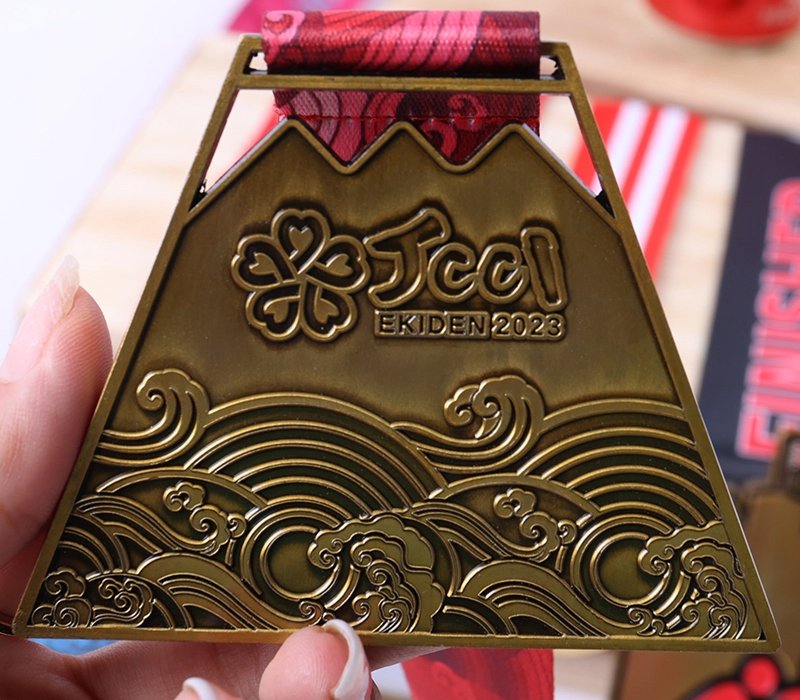
Characteristics:
Antique finish medals feature a weathered, aged appearance with darker tones that enhance design details, creating a classic and rustic look.
Advantages:
-
Vintage Appeal: Timeless and distinguished appearance
-
Enhanced Detail Contrast: Dark tones highlight intricate engravings
-
Unique & Memorable: Stands out from polished medals
Ideal Applications:
-
Historical or heritage commemorations
-
Military and government recognition awards
-
Traditional sports events like archery, fencing, and equestrian competitions
Case Studies:
-
National Archery Championship: Antique medals enhanced the traditional and historical feel of the event.
Metal Medal Craft Comparison Table
| Craft Type | Cost | Appearance | Durability | Customization | Ideal Applications |
|---|---|---|---|---|---|
| Die-Cast | High | Premium 3D | Excellent | High | High-end sports & corporate awards |
| Stamped | Low | Classic | High | Medium | Schools, communities, charity events |
| Electroplated | Medium | Shiny metallic | High | High | Corporate & international competitions |
| Enamel-Filled | Medium | Colorful & vibrant | High | High | Promotions, souvenirs, youth awards |
| Antique Finish | Medium | Vintage & rustic | High | Medium | Heritage, military, traditional sports |
FAQs for Business Buyers
-
What customization options are available?
-
Size, shape, metal type, plating, enamel color, engraving, and logo design.
-
-
How are medals packaged?
-
Velvet boxes, plastic cases, or eco-friendly pouches enhance perceived value and protect medals during shipping.
-
-
What is the minimum order quantity (MOQ)?
-
Typically 50–100 pieces, with smaller orders sometimes available at slightly higher cost.
-
-
What is the typical production lead time?
-
Usually 2–6 weeks, depending on design complexity and quantity. Rush options are available.
-
-
How can I ensure eco-friendly production?
-
Use recycled metals, environmentally friendly plating processes, and minimal packaging. Many suppliers adhere to ISO14001 standards.
-
-
How can businesses maximize ROI?
-
Choose the most suitable craft for your event and budget, incorporate branding strategies, and select durable, visually impressive medals that leave a lasting impression.
-
Conclusion
Metal medals are more than awards—they represent your brand, your event’s prestige, and the value you place on achievements. Understanding different medal crafts, their costs, applications, and benefits allows businesses to make informed, high-ROI procurement decisions.