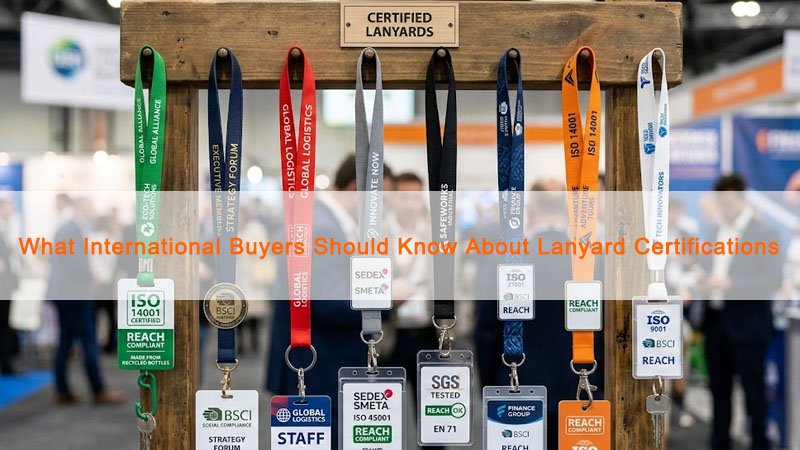
When sourcing custom lanyards, it’s essential to ensure that the products meet high standards of quality, safety, and ethical production. As an international buyer, it can be overwhelming to navigate the various certifications available in the market. These certifications play a crucial role in verifying that your supplier adheres to international standards and regulations. In this article, we’ll explore the key certifications—ISO, BSCI, SGS, REACH—and what they mean for your business.
Why Lanyard Certifications Matter
Lanyard certifications are not just a formal requirement; they are vital in ensuring your products meet the quality, safety, and social responsibility standards required in global markets. Certifications help minimize risks, avoid costly mistakes, and enhance your brand’s reputation. In this article, we’ll walk you through the most common certifications and explain their importance for international buyers like you.
ISO Certification: Ensuring Quality Management and Consistency
What Is ISO Certification?
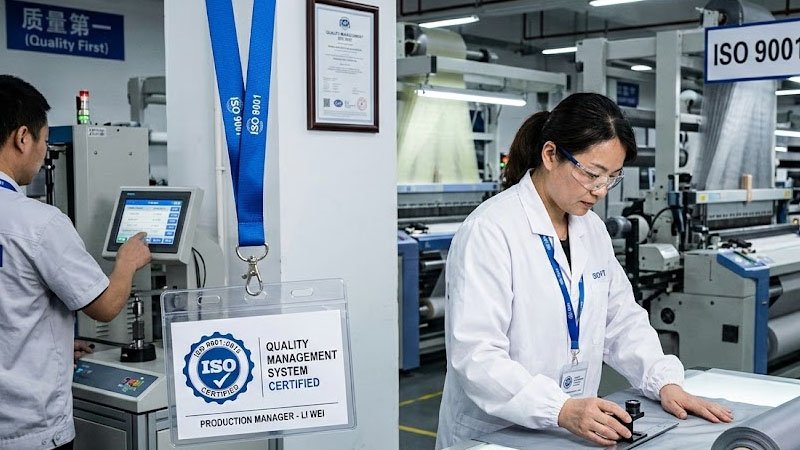
ISO 9001 is one of the most widely recognized standards for quality management systems. It sets out the criteria for a quality management system that can be applied to any organization, regardless of its size or sector. For lanyard manufacturers, ISO 9001 means they follow a systematic approach to ensure product consistency and quality.
Why It’s Important for Buyers
When sourcing lanyards, consistency in product quality is essential. ISO certification guarantees that your supplier has well-defined processes in place to maintain consistent quality across production runs. This means fewer defects, reduced errors, and better overall product outcomes.
As a buyer, you can request a supplier’s ISO certificate and verify its validity by checking the issue date and scope. This provides confidence that your supplier is actively maintaining its quality management system.
Practical Tip:
When visiting a supplier’s factory, look for visual evidence of ISO adherence, such as production logs, charts, or quality control measures. This ensures that quality is being monitored at every stage of production.
BSCI Certification: Ensuring Ethical Sourcing and Social Responsibility
What Is BSCI Certification?
The BSCI (Business Social Compliance Initiative) certification focuses on ensuring fair labor practices, such as worker rights, pay, and safety. It is particularly important for international buyers concerned about the ethical aspects of their supply chain.
Why It’s Important for Buyers
As a buyer, you want to ensure that the lanyards you are sourcing are produced in factories that respect workers’ rights. BSCI audits check for compliance with labor standards, including fair wages, safe working conditions, and the prohibition of child labor. This certification assures you that your supplier is committed to ethical sourcing.
Practical Tip:
Always request a copy of the BSCI audit report summary from your supplier. Look for details such as audit dates, the name of the auditor, and any non-conformities found during the inspection. You can also plan a site visit to confirm the conditions described in the audit report.
SGS Certification: Verifying Product Safety and Testing

What Is SGS Certification?
SGS is one of the leading inspection, verification, testing, and certification companies globally. An SGS certification for lanyards ensures that the products have been tested for safety, chemical compliance, and material durability. SGS testing checks for harmful substances like lead, phthalates, and other toxic chemicals, ensuring that your lanyards are safe for consumers.
Why It’s Important for Buyers
SGS certification helps you avoid the risks associated with harmful materials that can cause recalls, fines, or health concerns. It also guarantees that your lanyard materials meet local safety standards (such as EN71 for toys or CPSIA for children’s products in the U.S.).
Practical Tip:
Always request an SGS report for your lanyard materials, especially if they contain dyes, plastics, or metals. Ensure that the testing has been conducted according to international standards. The report should include test methods, results, and detection limits. This documentation can also help expedite customs clearance.
REACH Certification: Meeting Chemical Safety and Environmental Standards

What Is REACH Certification?
REACH (Registration, Evaluation, Authorization, and Restriction of Chemicals) is a European Union regulation that governs the use of chemicals in products. REACH ensures that harmful substances like toxic dyes, plastics, or chemicals in lanyard materials are controlled or eliminated.
Why It’s Important for Buyers
If you are selling lanyards in the EU or to customers who follow European environmental standards, you must comply with REACH. It requires manufacturers to provide safety data for chemicals used in their products. A REACH certification means that your supplier’s products are free from hazardous chemicals, making them safer for consumers and the environment.
Practical Tip:
When working with European buyers, always request a Safety Data Sheet (SDS) and REACH declaration from your supplier. This will confirm that the lanyards comply with REACH regulations and are free of banned substances.
Other Certifications to Consider
In addition to ISO, BSCI, SGS, and REACH, there are other certifications that may be relevant depending on the specifics of your lanyard products. These certifications add extra layers of safety, quality assurance, and sustainability.
| Certification | Focus Area | Benefit to Buyers |
|---|---|---|
| Oeko-Tex | Textile chemical safety | Reduces skin irritation risk |
| WRAP | Ethical garment production | Confirms legal, humane labor |
| FSC | Sustainable forest products | Supports eco-friendly sourcing |
| UL | Electrical safety (LED/USB) | Ensures safe electronic parts |
Why These Matter
-
Oeko-Tex ensures that textiles are free from harmful chemicals and dyes, which is especially important for lanyards made from fabric.
-
WRAP certification guarantees that garment factories meet social compliance standards, ensuring ethical labor practices.
-
FSC certification ensures that materials like wood or paper used in badge holders are sourced from responsibly managed forests.
-
UL certification is necessary if your lanyard includes electrical components, like LED lights or USB connectors, to ensure they are safe for use.
Why Certifications Matter for International Buyers
The Importance of Compliance
Certifications act as a safety net, ensuring that your products meet global standards for quality, safety, and ethical sourcing. They reduce risks by confirming that your suppliers follow best practices and comply with regulations. Additionally, certifications help speed up the customs process and protect your brand’s reputation.
By choosing certified suppliers, you can avoid costly mistakes, reduce the risk of legal fines or product recalls, and provide customers with the assurance that your lanyards are safe, ethically made, and compliant with international standards.
Practical Tip:
Always verify certification documents before placing an order, and maintain a tracking system to monitor the expiration dates of key certifications. This ensures that your supply chain remains compliant at all times.
Conclusion: Protecting Your Brand and Ensuring Quality
In conclusion, certifications are essential for international buyers of lanyards. They offer peace of mind by ensuring that your products meet global standards for quality, safety, and social responsibility. By verifying certifications such as ISO, BSCI, SGS, and REACH, you can safeguard your brand, reduce risks, and meet the demands of your customers.
When sourcing lanyards, always make certification verification a priority to ensure that you are purchasing products that align with your business values and meet the regulatory requirements of your market.