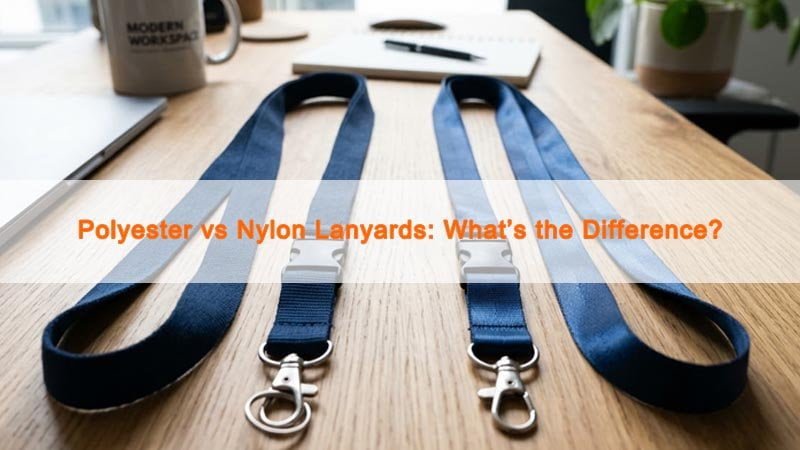
Choosing the right lanyard material can affect more than appearance. It also influences comfort, print quality, durability, and overall cost. Among the most common options, polyester and nylon lanyards are widely used across events, corporate ID programs, schools, retail promotions, and industrial workplaces. While they may look similar at first glance, each material offers distinct advantages depending on the application.
Polyester lanyards are generally known for their affordability, soft texture, and strong color reproduction. Nylon lanyards, on the other hand, are often chosen for their smoother surface, glossier finish, and higher tensile strength. Understanding the difference between polyester vs nylon lanyards can help buyers select the best material for branding, daily wear, or heavy-duty use.
If you are comparing custom polyester lanyards and custom nylon lanyards for your next project, it helps to look beyond price alone. Material feel, printing method, usage environment, and brand presentation all play a role in making the right decision.
What Are Polyester Lanyards?
Polyester lanyards are made from polyester webbing and are one of the most widely used options in the custom lanyard market. They are popular because they offer a practical balance of comfort, printability, durability, and cost-effectiveness. For promotional campaigns, conferences, school IDs, and everyday staff badges, polyester is often the first material buyers consider.
Polyester lanyards typically have a soft, fabric-like feel that makes them comfortable for extended wear. They also support vibrant color printing, especially for promotional designs, logos, and brand graphics. Because polyester is relatively economical compared with nylon, it is especially well suited to bulk orders and price-sensitive projects.
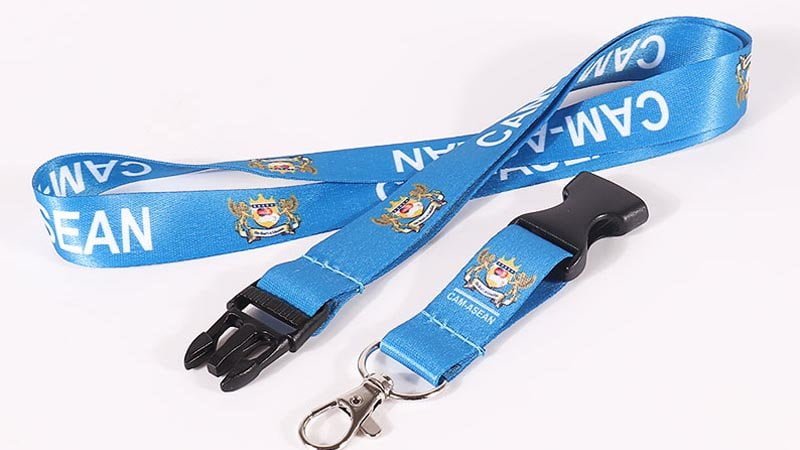
One reason polyester lanyards are so widely used is their versatility. The material works well for different customization methods and can produce clear, attractive branding results. Polyester also dries quickly and performs well in daily-use settings where comfort matters. For outdoor events and general promotional use, it is often preferred because it combines visual appeal with practical value.
In addition, polyester lanyards are a strong option for buyers who need large quantities without sacrificing appearance. Whether used for exhibitions, visitor passes, employee badges, or school identification, they offer a dependable and cost-efficient solution for custom printed lanyards.
What Are Nylon Lanyards?
Nylon lanyards are made from synthetic polyamide fibers and are often selected when a smoother and more premium-looking finish is desired. Compared with polyester, nylon usually has a silkier texture and a more noticeable sheen, which can give the finished product a polished and upscale appearance.
Because of their tighter, smoother weave, nylon lanyards are often used for projects where presentation is especially important. They are a common choice for corporate branding, premium events, executive passes, and applications that call for a sleek visual effect. Their surface can also help printed logos appear crisp and clean, particularly in simple, high-contrast designs.
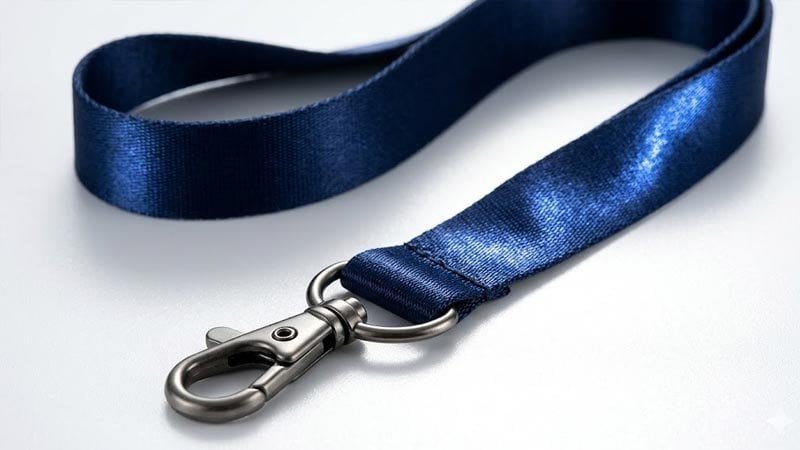
In addition to appearance, nylon is valued for its strength and abrasion resistance. It generally offers higher tensile strength than polyester, making it a suitable option for lanyards that need to carry heavier items such as keys, access devices, or small tools. Its smooth surface can also be easier to wipe clean in demanding environments.
For buyers looking for durable lanyards with a more refined look, nylon is often the preferred choice. It is especially well suited to applications where both performance and appearance matter.
Polyester vs Nylon Lanyards: Key Differences
When comparing polyester vs nylon lanyards, the main differences usually come down to texture, appearance, cost, print suitability, and intended use. Neither material is universally better. The right choice depends on what matters most for your project.
Polyester is generally softer, more budget-friendly, and highly versatile for promotional applications. Nylon is typically smoother, glossier, and better suited to projects where strength and a premium finish are priorities.
The table below offers a simple lanyard material comparison:
| Feature | Polyester Lanyards | Nylon Lanyards |
|---|---|---|
| Texture | Soft, fabric-like | Smooth, silky |
| Appearance | Matte to semi-matte | Glossy, polished |
| Cost | More economical | Usually higher |
| Print Effect | Strong color reproduction | Clean, sharp logo presentation |
| Comfort | Very suitable for all-day wear | Comfortable, with a smoother feel |
| Strength | Durable for everyday use | Higher tensile strength |
| Abrasion Resistance | Good | Generally better |
| Best Use | Promotions, events, staff IDs | Premium branding, heavier-duty use |
These differences are important when selecting the best material for custom lanyards. If comfort, full-color branding, and cost control are your main goals, polyester is often the more practical choice. If your priority is a sleek finish, stronger webbing, and a more premium look, nylon may be a better fit.
It is also worth noting that lanyard performance depends on more than the base material alone. Webbing thickness, weave density, printing method, stitching quality, and hardware selection can all influence the final result. A well-made polyester lanyard can outperform a poorly made nylon one, so supplier quality remains an important factor.
Which Material Should You Choose?
The best choice depends on how the lanyards will be used, how they need to look, and what budget you are working with.
If you need custom lanyards for conferences, exhibitions, schools, promotional giveaways, or employee badges, polyester is often the best all-around option. It offers a comfortable feel, strong print performance, and competitive pricing for medium to large production runs. For many everyday applications, polyester provides the most practical balance between quality and value.
If you need lanyards for premium corporate branding, executive visitor programs, high-visibility events, or more demanding environments, nylon may be the better option. Its smoother finish can enhance perceived product quality, while its higher strength makes it more suitable for carrying heavier accessories or withstanding rougher use.

Here is a simple way to decide:
Choose polyester lanyards if you need:
-
cost-effective bulk orders
-
comfortable all-day wear
-
vibrant branding for promotional use
-
custom printed lanyards for events or staff IDs
Choose nylon lanyards if you need:
-
a smoother, glossier appearance
-
stronger webbing for heavier use
-
a more premium brand presentation
-
durable lanyards for demanding environments
For buyers with sustainability goals, it is also worth asking suppliers whether recycled polyester or other eco-conscious material options are available for custom programs.
Final Thoughts
Both polyester and nylon lanyards offer clear advantages, but they serve slightly different purposes. Polyester is usually the better choice for affordability, comfort, and versatile promotional use. Nylon is often preferred for its smoother finish, stronger feel, and more premium appearance.
When deciding between polyester vs nylon lanyards, the best option is the one that matches your branding goals, usage environment, and budget. By understanding the strengths of each material, buyers can choose a lanyard that not only looks professional but also performs reliably in real-world use.
If you are sourcing custom lanyards for events, corporate ID programs, retail packaging, or industrial applications, working with an experienced manufacturer can help you select the right material, printing method, and accessories for your project.