For promotional product distributors, importers, Amazon sellers and private label brands, choosing the right manufacturing partner can affect product quality, landed cost, inventory consistency and customer satisfaction.
This guide explains how private label lanyards are manufactured, which processes buyers should verify, how to prepare an OEM production specification, and what to check before approving bulk orders.
The manufacturing insights in this article are informed by LOVECOLOUR’s experience producing custom lanyards in Guangzhou, China, since 2014. Our production workflow includes in-house webbing weaving, transfer-paper printing, heat transfer, cutting, sewing, hardware assembly and packaging coordination.
Quick Answer: What Should Buyers Look for in a Private Label Lanyard Manufacturer?
A suitable private label lanyard manufacturer should be able to explain its actual production capabilities, recommend appropriate materials and logo methods, produce samples against written specifications, control important quality details and prepare packaging for the buyer’s sales channel.
Before choosing a supplier, verify these six areas:
- Manufacturing capability: Which processes are performed in-house, and which require external suppliers?
- Product customization: Can the factory support the required webbing, printing, hardware and finished dimensions?
- Sample approval: How are artwork, colors, construction and accessories confirmed?
- Quality management: How are production batches checked against the approved specifications?
- Private label packaging: Can the supplier coordinate branded cards, individual packaging, SKU labels and carton requirements?
- Repeat-order consistency: How are specifications and approved references maintained for future production?
Price is important, but the lowest initial unit quotation does not always produce the lowest total purchasing cost.
1. What Are Private Label Lanyards?
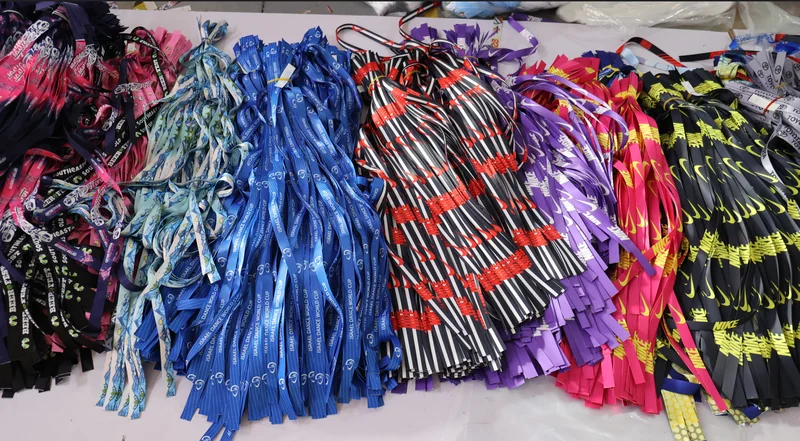
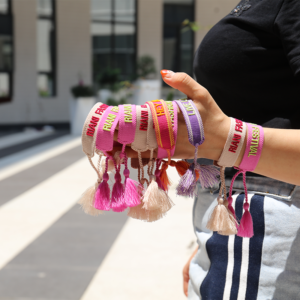
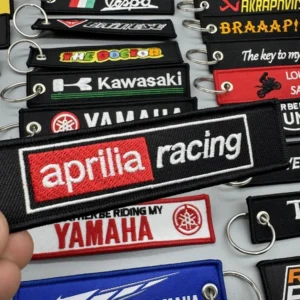
Private label lanyards are lanyards manufactured for a company and supplied under that company’s own brand identity. They may feature custom logos, colors, materials, hardware and packaging designed for the buyer’s retail, promotional or distribution program.
Private label manufacturing is particularly relevant for companies that sell physical products under their own brands but do not operate lanyard production equipment.
Private Label vs. OEM vs. ODM Lanyards
| Manufacturing Model | What It Means | Typical Buyer |
|---|---|---|
| Private Label | Products are manufactured and presented under the buyer’s brand, with agreed branding and packaging specifications. | Retail brands, Amazon sellers, wholesalers and merchandise companies. |
| OEM | The factory manufactures products according to the buyer’s approved artwork, technical specifications and construction requirements. | Established brands, importers and distributors with defined product requirements. |
| ODM | The manufacturer helps develop or refine a product solution, including material recommendations, construction details and sample development. | New brands and buyers developing products without complete technical specifications. |
These arrangements frequently overlap. A private label brand may use OEM manufacturing for an existing design and ODM support when developing a new product collection.
For example, an established promotional merchandise brand may already have its own artwork, packaging layout and attachment specifications. It needs a factory capable of reproducing those requirements consistently rather than redesigning the product.
A new e-commerce brand may instead need help selecting the webbing material, printing method, strap width, metal hook and retail packaging before ordering a physical sample.
2. Inside the Factory: How Private Label Lanyards Are Manufactured
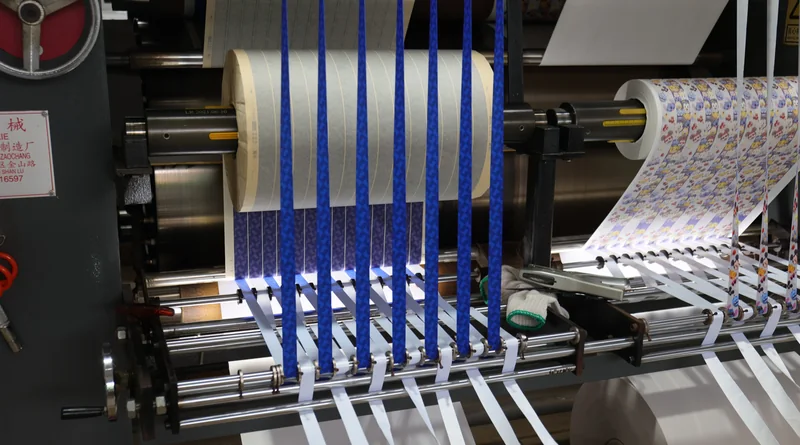
A custom lanyard passes through several manufacturing stages before it becomes a finished, packaged product. Understanding these stages helps buyers identify where quality problems can occur and which production capabilities are worth verifying.
Step 1: Webbing Material Selection and Weaving
Webbing is the foundation of the finished lanyard. Its fiber composition, width, thickness, weave structure and surface characteristics influence printing performance, appearance, comfort and cost.
At LOVECOLOUR, we operate our own weaving equipment for polyester, nylon and rPET webbing, including suitable tubular constructions. This allows us to coordinate material production with subsequent printing and finishing requirements.
For bulk orders, buyers should confirm the material specification rather than relying solely on descriptions such as “premium polyester” or “high-quality nylon.”
Important details include:
- Fiber composition and required material documentation.
- Nominal webbing width and acceptable dimensional tolerance.
- Fabric thickness, weight and surface construction where relevant.
- Webbing color and approved color reference.
- Suitability for the proposed printing or weaving process.
- Intended application and expected handling conditions.
For products intended for retail resale, using an agreed material specification is especially important because buyers may reorder the same product months later.
Step 2: Artwork Preparation and Transfer-Paper Printing
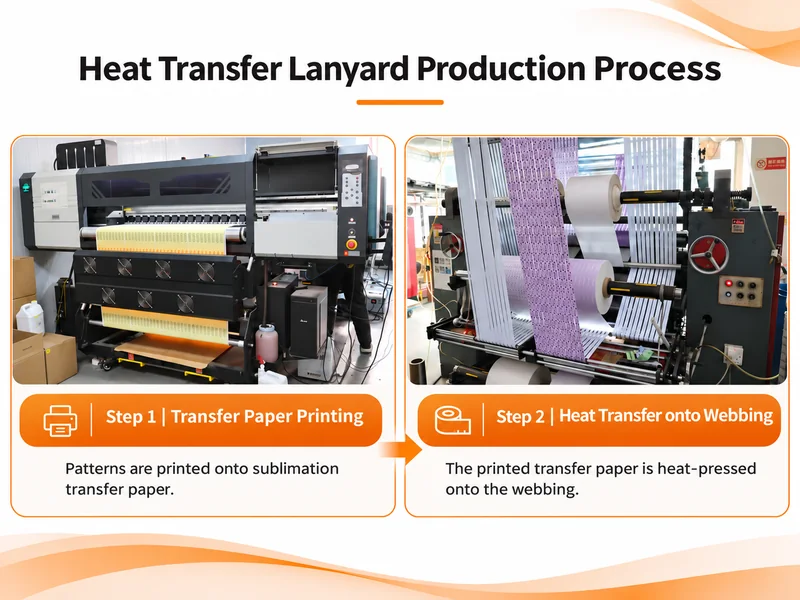
For full-color printed polyester lanyards, heat transfer and dye sublimation are widely used manufacturing methods.
At LOVECOLOUR, transfer-paper printing is one of our core in-house processes. The artwork is prepared for the required webbing layout and printed onto suitable transfer paper before the heat transfer stage.
This method is particularly useful for designs containing multiple colors, gradients, small graphic details, sponsor logos and continuous patterns.
Before printing, the production team needs to review:
- Artwork dimensions and repeat spacing.
- Text readability on the selected webbing width.
- Logo position relative to cutting and sewing areas.
- Color references and printing feasibility.
- Front and reverse artwork orientation.
- Background coverage and expected finished appearance.
A design that looks attractive on a large computer screen may become difficult to read when reduced to a narrow 10mm or 15mm strap. Artwork review should therefore consider the actual finished product dimensions.
Step 3: Heat Transfer onto Polyester Webbing
After transfer-paper printing, the design is transferred onto compatible polyester webbing using controlled heat and pressure.
For suitable dye-sublimation polyester applications, the dye transfers into the polyester material, producing a printed appearance without the same raised ink feel associated with some surface-printing methods.
However, the result depends on the material, print settings, artwork and production conditions. A printing method that works well on polyester is not automatically suitable for every nylon, tubular or specialty webbing construction.
During this process, manufacturers need to control:
- Transfer-paper alignment with the webbing.
- Temperature, pressure and operating speed as required by the material and equipment.
- Color reproduction.
- Print registration and logo positioning.
- Material stability and visible distortion.
- Cleanliness of the printing surface.
These controls are particularly important for full-background designs, repeating logos and products that must match previously approved samples.
Manufacturers should also account for possible fabric dimensional changes during heat processing. Where necessary, appropriate preconditioning can help reduce unexpected shrinkage or registration problems.
Factory insight: Because LOVECOLOUR coordinates transfer-paper printing and heat transfer production in-house, artwork preparation and printing requirements can be communicated directly within the production workflow. This is useful when making adjustments to print layout, positioning or production settings.
For a more detailed explanation of this manufacturing method, see our custom heat transfer and dye sublimation lanyards product guide.
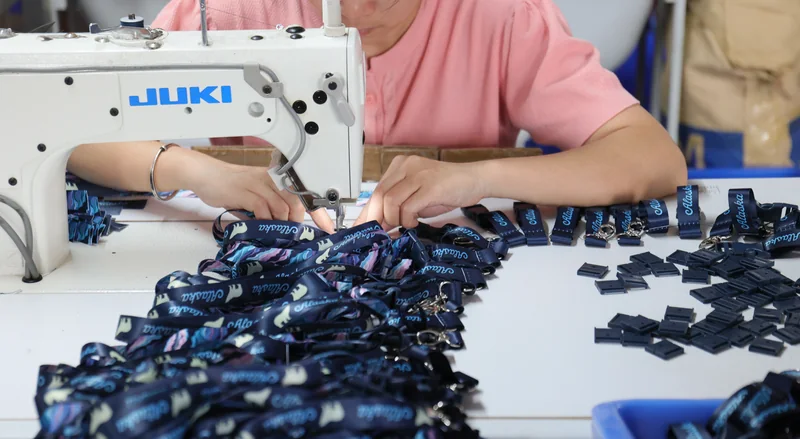
Step 4: Cutting, Sewing and Hardware Assembly
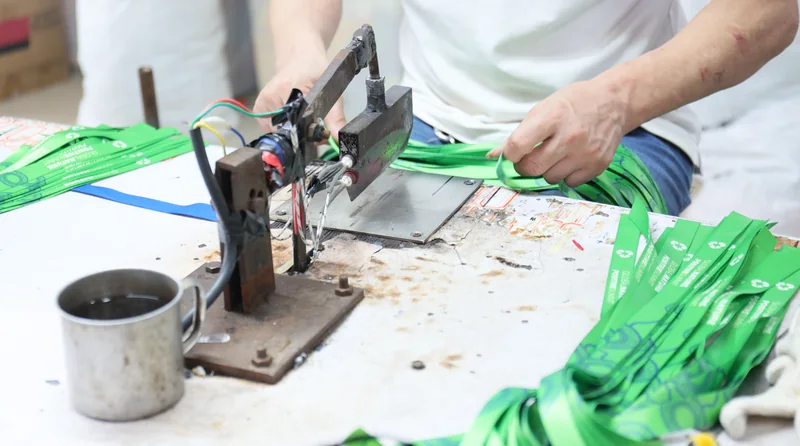
Once the printed or woven webbing has been prepared, it is cut and assembled into the required lanyard construction.
The finished product may include a swivel hook, J-hook, lobster clasp, split ring, detachable buckle, safety breakaway connector, badge reel or another accessory.
The hardware must match both the intended use and the approved design.
For example, a conference badge lanyard may use a simple metal hook, while a corporate identification lanyard may require a detachable buckle and a safety breakaway. A retail key lanyard may instead require a particular metal finish or clasp construction.
Production checks should consider:
- Finished lanyard length and loop construction.
- Correct hardware model, dimensions and surface finish.
- Attachment orientation.
- Stitching position and consistency.
- Clean cutting edges and neat assembly.
- Functional operation of buckles and hooks.
A metal hook may appear similar to another model in a product photograph, yet differ in opening size, thickness, spring operation or surface finish. For repeat retail orders, the exact approved accessory specification matters.
Step 5: Quality Inspection and Finished Product Verification
Finished lanyards should be inspected against the approved requirements, not simply judged by whether they look acceptable from a distance.
Important inspection points include logo clarity, webbing dimensions, color appearance, stitching, hardware operation, product cleanliness and packaging accuracy.
Additional performance testing, such as tensile testing or colorfastness evaluation, should be defined according to the specific product and buyer’s requirements rather than assumed to apply identically to every lanyard.
Step 6: Private Label Packaging
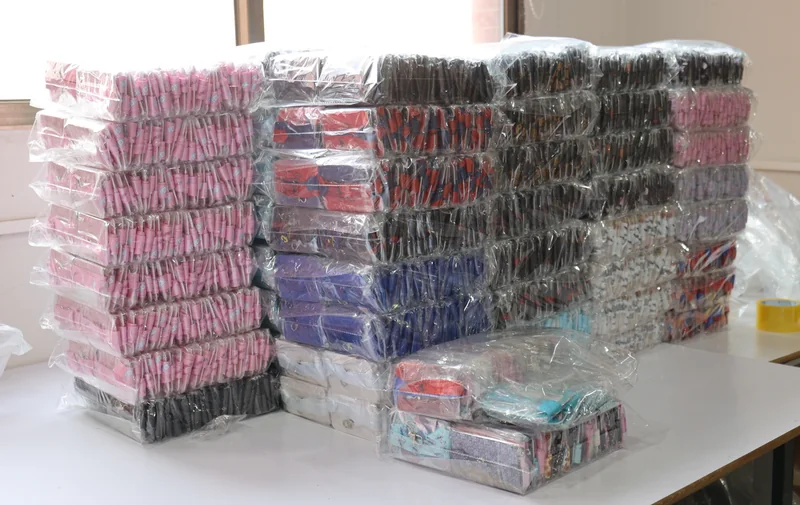
For a private label order, finishing the lanyard does not necessarily mean the product is ready for delivery.
The manufacturer may also need to prepare individual product bags, branded cards, product labels, barcode labels, SKU identification or export cartons.
Packaging requirements should be agreed before bulk production because they can affect material purchasing, labor, production scheduling and final carton dimensions.
Step 7: Bulk Packing and International Shipping
After inspection and packaging, products are packed according to the approved carton specifications and shipping arrangements.
International buyers should confirm whether the quotation covers only manufacturing or also freight, destination handling, duties and other agreed services.
These seven steps illustrate why selecting a manufacturer should involve more than comparing a product photograph and a unit price.
3. Which Lanyard Material Is Best for Private Label Products?
There is no single best material for every private label lanyard. The right choice depends on design, price positioning, intended use, branding method and target market.
| Material | Characteristics | Common Applications | Buyer Considerations |
|---|---|---|---|
| Polyester | Versatile woven textile material with several available printing and construction options. | Corporate lanyards, promotional products, trade shows and retail merchandise. | Check width, surface construction, print compatibility and required finish. |
| Nylon | Smooth surface and a distinctive textile feel, depending on the selected webbing construction. | Premium-branded accessories and specialty lanyard programs. | Confirm decoration compatibility and actual material specifications. |
| rPET Polyester | Recycled polyester option for buyers seeking recycled-content materials. | Corporate programs, merchandise collections and sustainability-oriented sourcing. | Request appropriate recycled-material documentation and confirm claims before marketing. |
| Tubular Webbing | Double-layer hollow construction with a rounded or substantial appearance. | Classic promotional lanyards, specialty straps and lifestyle accessories. | Review construction, thickness, printing suitability and available colors. |
| Jacquard Woven Webbing | Patterns and logos integrated into the woven structure rather than added through conventional surface printing. | Premium merchandise, club lanyards and recurring corporate programs. | Check design complexity, yarn colors, front and reverse appearance, and minimum quantities. |
Practical recommendation: For a full-color promotional design, printed polyester is often an efficient starting point. For a product where woven texture is central to the brand identity, jacquard may be more appropriate. For a recycled-content product line, rPET may be considered when the required material documentation is available.
Learn more about custom lanyard materials, logo printing and attachment options.
4. How Do Printing and Weaving Methods Affect Product Quality and Cost?
Choosing a logo method is both a visual and commercial decision. Different techniques create different appearances and require different manufacturing preparations.
| Method | Best-Suited Artwork | Main Advantage | Important Limitation |
|---|---|---|---|
| Heat Transfer / Dye Sublimation | Full-color logos, gradients, detailed artwork and repeating patterns. | High design flexibility on suitable polyester materials. | Requires compatible materials and controlled printing conditions. |
| Screen Printing | Simple logos, text and solid-color designs. | Practical for suitable bulk promotional orders. | Additional colors and artwork complexity can increase setup requirements. |
| Jacquard Weaving | Logos, text and patterns suited to the weaving structure. | Distinctive woven texture and integrated branding. | Fine details, gradients and photographic designs are not generally suitable. |
| Embroidery | Selected logos and decorative branding details. | Textured stitched appearance. | Feasibility depends on strap width, stitch density and construction. |
Why Two-Sided Branding Needs Extra Attention
Buyers sometimes assume that a two-sided lanyard will automatically have two equally readable faces. That is not always true.
Printed and woven constructions can behave differently on the reverse side. With certain jacquard structures, reverse-side lettering may appear mirrored or the back may contain visible yarn floats.
If your retail product requires clean, correctly oriented branding on both faces, specify that requirement explicitly and approve the actual construction before production.
For two-sided printed designs, the buyer should also confirm logo orientation, background color, repeat spacing and how the design appears after the strap is folded and assembled.
Our screen printing vs. dye sublimation vs. woven lanyards comparison explains these differences in more detail.
5. How Can You Verify That a Wholesale Lanyard Supplier Is a Real Manufacturer?
Many companies describe themselves as factories, manufacturers or factory-direct suppliers. However, the scope of their actual production capabilities can vary.
Some suppliers manufacture several key processes internally, while others outsource most production and coordinate orders through manufacturing partners. Either model may be commercially workable, but buyers should understand who controls the important processes.
Ask for Evidence of Actual Production
Instead of relying only on factory claims, request evidence relevant to your order:
- Current photographs or videos of webbing production equipment.
- Examples of transfer-paper printing and heat transfer production where applicable.
- Details of cutting, sewing and hardware assembly.
- Examples of actual sample development and quality inspection.
- Confirmation of which processes are performed in-house and which are externally supplied.
- Real examples of the proposed packaging format.
- Opportunities for factory visits or agreed production inspections.
For private label programs, it is also useful to understand how the supplier handles artwork files, samples, approved specifications and repeat orders.
Why In-House Production Can Help
An integrated manufacturing workflow can reduce unnecessary communication handovers between separate production providers.
For example, when the transfer-paper printing team and heat transfer production team operate within the same manufacturing system, adjustments to print layout or positioning can be coordinated more directly.
Similarly, when cutting, sewing and packaging are coordinated by the manufacturer, product requirements can be reviewed across the finishing stages before shipment.
However, in-house production does not automatically guarantee superior quality. The manufacturer must still demonstrate suitable equipment, trained operators, clear specifications and effective inspection procedures.
At LOVECOLOUR, we welcome buyers to learn more about our factory background and manufacturing capabilities.
6. The Private Label Lanyard Specification Sheet: What Should Be Confirmed?
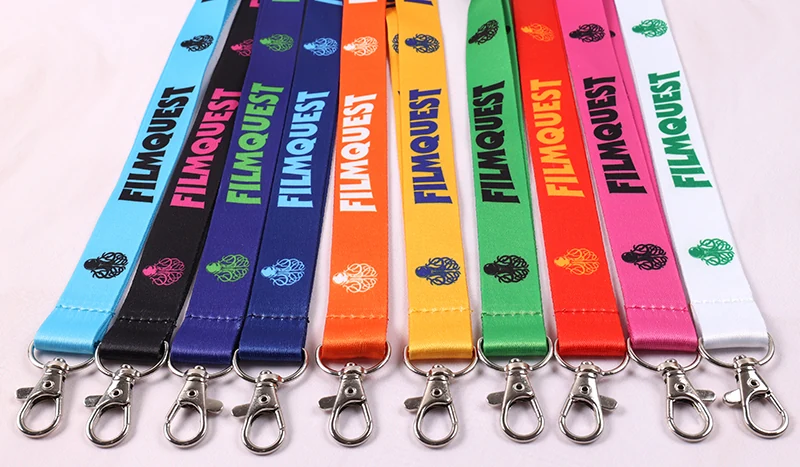
One of the most useful purchasing documents is a complete product specification sheet. It creates a common reference for the buyer, manufacturer, sample team, quality inspectors and packaging team.
A specification sheet should identify the actual product being ordered rather than relying on a broad description such as “custom 20mm logo lanyard.”
| Specification | Information to Confirm |
|---|---|
| Product Identification | Buyer product code, model name and artwork revision. |
| Material | Polyester, nylon, rPET or another agreed construction. |
| Dimensions | Webbing width, finished length, folding method and applicable tolerances. |
| Webbing Color | Approved color reference or physical material sample. |
| Logo Method | Heat transfer, screen printing, jacquard or another method. |
| Artwork | Approved file version, logo size, print direction and positioning. |
| Hardware | Attachment model, dimensions, material, finish and quantity. |
| Functional Features | Safety breakaway, detachable buckle, badge reel or other features. |
| Packaging | Individual bag, backing card, header card, barcode and quantity per pack. |
| Carton Details | Quantity per carton, carton marks and any agreed handling requirements. |
| Quality Criteria | Approved sample reference, inspection requirements and agreed acceptance criteria. |
| Delivery | Required destination, agreed trade terms and shipping instructions. |
A Common Specification Mistake
A buyer may specify the lanyard width and logo but forget to confirm the finished length, hardware size or packaging method.
The supplier may then manufacture according to its own normal configuration, which may not match the buyer’s existing retail product.
A written specification sheet helps prevent this type of misunderstanding before the order reaches production.
7. How Should Buyers Approve Samples Before Bulk Production?
For new products, physical sample approval is one of the most effective ways to establish a practical reference for manufacturing.
A digital artwork proof is useful for confirming layout and design, but it does not fully demonstrate the feel of the webbing, actual printing appearance, stitching, hardware operation or packaging construction.
What to Check on a Private Label Lanyard Sample
- Material: Does the webbing match the requested material and construction?
- Dimensions: Are the width and finished length consistent with the approved specification?
- Artwork: Is the logo clear and positioned correctly?
- Colors: Is the appearance acceptable against the agreed reference?
- Both sides: Are the front and reverse correctly oriented?
- Sewing: Are stitches and attachment areas neat and properly assembled?
- Hardware: Does the approved hook, buckle or clasp operate correctly?
- Packaging: Does the sample include the agreed brand presentation and labeling?
For colors that must closely follow a corporate Pantone reference, buyers should recognize that a printed textile may not reproduce the reference exactly under all materials and lighting conditions. An agreed physical color sample provides a more practical production reference.
Once the sample is approved, both parties should document the relevant design and construction details before mass production begins.
For complex private label orders, the packaging sample should be reviewed alongside the product sample rather than being treated as a separate final-stage decision.
8. Quality Control: What Matters Beyond the Logo?
For a wholesale lanyard manufacturer, quality control should cover the overall finished product rather than only the printed artwork.
A lanyard with a clear logo can still become a defective retail product if the hardware is incorrect, the strap length varies unexpectedly or the packaging carries the wrong barcode.
| Quality Area | Potential Problem | Recommended Control |
|---|---|---|
| Material | Incorrect width, texture or webbing construction. | Compare material against the approved specification. |
| Printing | Misaligned logos, unclear details or unexpected color variation. | Review printed samples and production output. |
| Cutting | Incorrect finished length or inconsistent dimensions. | Check finished measurements against agreed tolerances. |
| Sewing | Uneven stitches or incorrect attachment position. | Inspect assembly details and workmanship. |
| Hardware | Wrong model, finish or functional operation. | Check the actual approved accessory and agreed functionality. |
| Packaging | Wrong SKU, barcode, quantity or packaging configuration. | Compare packed products with the approved packaging instructions. |
| Repeat Orders | Differences from previously approved versions. | Use current approved specifications and retained sample references. |
Should Every Lanyard Require the Same Testing?
No. Different projects have different applications and performance requirements.
For example, a promotional event lanyard and a lanyard intended for a specialized workplace may require different hardware, construction and functional verification.
Where tensile strength, colorfastness, safety-release performance or other testing is required, the buyer should agree on the applicable method, acceptance criteria and documentation before production.
Manufacturers should not treat unspecified performance claims as substitutes for documented product requirements.
9. How to Manage Multiple Designs and SKUs in One Wholesale Order
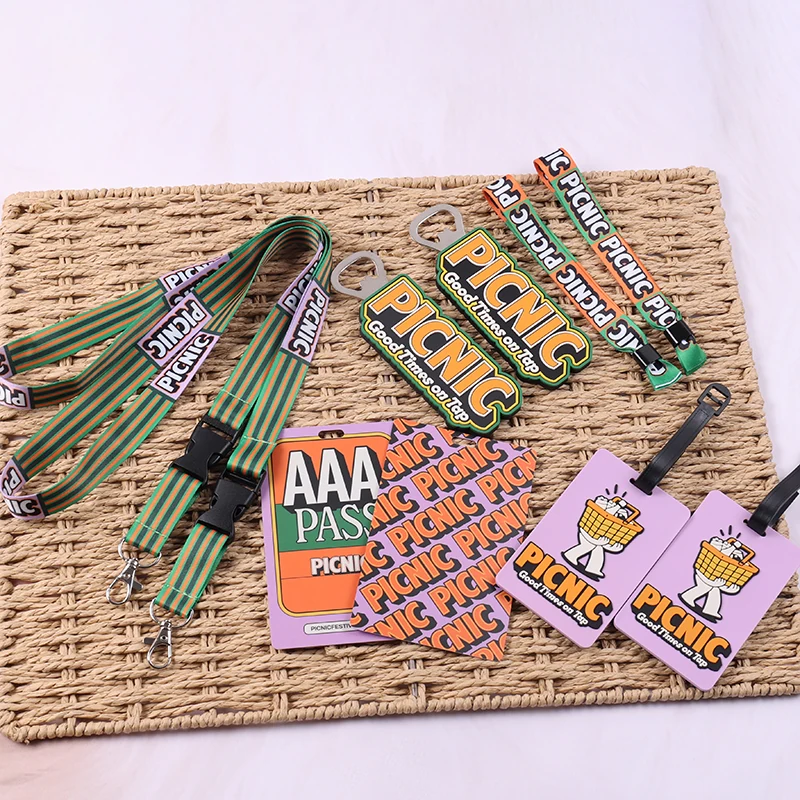
Multiple-design production is common among promotional product distributors and private label sellers. A buyer may need several colorways, different logos or product versions in one purchasing program.
However, one purchase order does not necessarily mean every design can share the same manufacturing minimum or setup cost.
Example: A Three-Design Private Label Collection
Consider a hypothetical buyer developing three branded lanyard designs for online retail:
| SKU | Design | Quantity | Packaging |
|---|---|---|---|
| PL-001 | Black polyester lanyard with white logo. | 500 pcs | Individual branded card and bag. |
| PL-002 | Navy polyester lanyard with full-color design. | 500 pcs | Individual branded card and bag. |
| PL-003 | Custom woven lanyard with a different hardware finish. | 500 pcs | Individual branded card and bag. |
This is an illustrative purchasing scenario, not a statement of LOVECOLOUR’s minimum order quantities or an actual customer order.
Although the total quantity is 1,500 pieces, the designs use different manufacturing methods and may require separate material preparation, tooling, artwork setup or production arrangements.
A manufacturer should assess each version rather than assuming the combined quantity qualifies for identical production pricing.
Recommended SKU Management Practice
Assign a unique product code to each combination of design, material, hardware and packaging configuration.
For example, a design with a silver hook should not share the same finished-product code as an otherwise identical design with a matte black hook if the two versions are sold separately.
This approach makes quotations, artwork approval, warehouse management, packing lists and repeat orders easier to control.
10. Private Label Lanyard Packaging for Retail and Amazon Sellers
Packaging is an important part of private label manufacturing because the final product may enter retail stores, distributor warehouses, e-commerce fulfillment centers or direct-to-consumer shipping operations.
A supplier that manufactures an attractive lanyard but cannot coordinate the required packaging may create additional work and expense for the buyer.
Common Packaging Options
| Packaging Method | Typical Application |
|---|---|
| Bulk Packing | Corporate purchasing, promotional events and standard wholesale distribution. |
| Individual Polybag | Protecting and separating individual products for storage and handling. |
| Custom Header Card | Retail merchandising and brand presentation. |
| Custom Backing Card | Brand information, product presentation and retail display. |
| Barcode / SKU Label | Inventory identification and warehouse processing. |
| Custom Carton Label | Identifying product versions, quantities and shipment information. |
Amazon FBA Preparation: What Changed in 2026?
Starting January 1, 2026, Amazon discontinued its FBA prep and item labeling services for shipments to the United States store. Sellers must arrange the required preparation and labeling before products arrive at Amazon’s fulfillment facilities.
This change makes upstream packaging coordination particularly relevant for private label brands using Amazon FBA.
However, an Amazon-ready product is not defined simply by placing a barcode sticker on a plastic bag. The applicable requirements depend on the product, packaging configuration, selected barcode method and current shipment instructions.
Buyers should provide the manufacturer’s packaging team with the relevant requirements from their Seller Central account and confirm:
- Which product identification barcode is required.
- Whether an FNSKU label or another eligible barcode method applies.
- Label placement and scanning requirements.
- Individual packaging and product protection requirements.
- Set or bundle identification where applicable.
- Carton labels and shipment identification instructions.
- Any other category-specific or destination-specific preparation rules.
For the current US requirements, refer to Amazon Seller Central’s official FBA Prep Service guidance.
At LOVECOLOUR, we can coordinate agreed individual packaging, branded cards, product labels, barcode labeling and carton preparation based on the buyer’s approved instructions.
Before bulk packaging, the exact labeling and packing scope should be reviewed and confirmed. Buyers remain responsible for verifying their applicable marketplace and fulfillment requirements.
Retail Packaging Is Also a Brand Experience
For private label sellers, packaging affects how customers perceive the product.
A neatly folded lanyard presented on a consistent branded card can create a more organized retail presentation than loose merchandise with no product identification.
However, unnecessary packaging can increase material cost, labor and shipping volume. The packaging design should fit the sales channel and commercial positioning rather than adding complexity without a clear benefit.
11. What Determines the Cost of Private Label Lanyards?
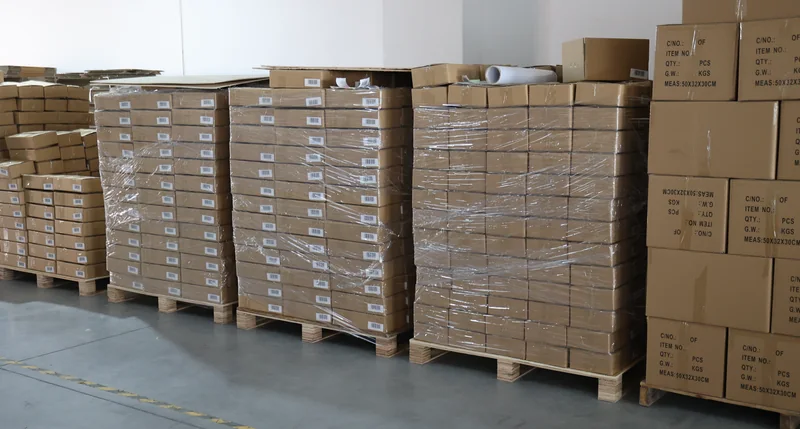
Wholesale lanyard pricing depends on more than the number of pieces ordered. Material selection, logo method, hardware, packaging and production complexity all affect the final cost.
Important Cost Factors
- Webbing material: Different fiber compositions and constructions have different costs.
- Width and finished length: These affect material consumption.
- Printing method: Artwork preparation, color requirements and process setup vary by technique.
- Number of designs: Each variation may create additional production or setup requirements.
- Hardware: Hook type, finish, size and optional components influence unit cost.
- Packaging: Individual bags, custom cards, labels and labor add cost.
- Order quantity: Volume can influence production efficiency and fixed-cost allocation.
- Sampling and development: New constructions or complex designs may require additional preparation.
- Shipping: Freight depends on shipment weight, dimensions, route, timing and terms.
Unit Price vs. Landed Cost
A lower factory unit price does not automatically mean a lower landed cost.
For purchasing comparisons, calculate the total cost based on the agreed commercial terms:
Estimated landed cost = product cost + applicable setup and sampling costs + packaging + freight + insurance + import duties and taxes + other agreed destination charges.
Charges already included under the agreed Incoterms must not be counted again. Buyers should compare quotations using the same product specifications and clearly defined trade terms.
For example, two suppliers may quote similar unit prices, but one quotation may include individual packaging and barcode labeling while the other covers bulk packing only.
Comparing the two prices without adjusting for those differences would be misleading.
Why Factory-Direct Production Can Improve Cost Control
When a manufacturer controls key production processes, it may be able to coordinate material preparation, printing, sewing and packing more efficiently.
At LOVECOLOUR, our integrated production workflow helps us manage these stages directly and evaluate practical ways to control manufacturing costs without ignoring the approved quality requirements.
The objective is to deliver a commercially suitable product, not simply to quote the lowest possible price at the expense of consistency.
12. Sampling, Lead Times and International Delivery Planning
Private label orders require realistic scheduling, particularly when the finished products must reach an international warehouse, retail launch or seasonal sales program.
The total project schedule should separate several stages:
- Artwork and specification review.
- Quotation and commercial confirmation.
- Physical sampling, where required.
- Sample review and approval.
- Material preparation and production scheduling.
- Bulk manufacturing and quality inspection.
- Packaging and shipment preparation.
- International freight, customs clearance and final delivery.
A supplier’s quoted production time may not include the time required for sample delivery, customer approval or transportation to the destination country.
For an international launch, buyers should plan backward from the required warehouse delivery date rather than treating the factory completion date as the final deadline.
At LOVECOLOUR, we evaluate production schedules according to the actual material, logo method, quantity, accessories and workshop availability.
For detailed manufacturing estimates and freight planning considerations, read our custom lanyard lead time and international delivery guide.
13. How to Maintain Quality Consistency Across Repeat Orders
For a long-term private label business, repeat-order consistency is a major purchasing consideration.
A product may be purchased repeatedly for several years, while artwork files, material batches, hardware availability and customer requirements change over time.
Without a clear reference system, the same product name can gradually refer to different physical specifications.
Build a Repeat-Order Reference File
For products intended for regular purchasing, we recommend keeping a documented reference file containing:
- Approved artwork and revision number.
- Material specification and color reference.
- Webbing width, finished length and construction.
- Printing or weaving method.
- Approved hardware model and finish.
- Packaging layout, SKU and barcode information.
- Approved sample photographs or physical reference where available.
- Inspection requirements and agreed tolerances.
- Current shipping and carton instructions.
Before a repeat order, review whether any of these specifications have changed.
A change in hardware availability, material source or packaging artwork should be discussed and approved rather than assumed to be an acceptable substitution.
This documentation is particularly useful for importers and distributors that manage numerous customer designs and product versions.
14. A Practical RFQ Checklist for Private Label Lanyard Buyers
A complete RFQ helps suppliers prepare a more accurate quotation and reduces unnecessary clarification after the initial inquiry.
Before contacting a manufacturer, organize the following information:
Product Details
- Intended application and target customer.
- Material and preferred construction.
- Required width, length and colors.
- Artwork files and logo dimensions.
- Printing or weaving preference.
- Front and reverse design requirements.
- Hardware and functional accessories.
Commercial Details
- Estimated total order quantity.
- Quantity per design or color.
- Expected repeat-order requirements.
- Sampling needs and approval process.
- Target budget or price positioning, if available.
Packaging and Delivery Details
- Individual or bulk packaging.
- Branded cards and retail packaging artwork.
- SKU and barcode requirements.
- Quantity per inner pack and carton.
- Destination country and postal code.
- Preferred Incoterms and shipping method.
- Required arrival date.
If you are still developing the product, it is acceptable to indicate “manufacturer recommendation required” for items that have not yet been decided.
For broader sourcing strategies, including supplier evaluation and wholesale catalog planning, read our wholesale lanyards buying guide for distributors and resellers.
15. Common Private Label Lanyard Manufacturing Mistakes
Mistake 1: Choosing the Printing Method Before Reviewing the Artwork
A simple one-color logo and a photographic full-color design may require different production methods. The correct process should be selected after evaluating the artwork, material and application.
Mistake 2: Confirming the Logo but Not the Hardware
Hooks, buckles and clips influence both function and perceived quality. Their models and finishes should be confirmed as part of the product specification.
Mistake 3: Assuming All Materials Can Be Printed the Same Way
Polyester, nylon and tubular webbing may require different decoration approaches. Material compatibility should be checked before artwork approval and production planning.
Mistake 4: Ignoring Reverse-Side Appearance
For double-sided branding, check text orientation, woven structure, background coverage and the appearance of the assembled strap.
Mistake 5: Approving Packaging Too Late
Branded cards, barcodes and special retail packaging can affect production preparation, cost and delivery schedules. Packaging should be confirmed before mass production.
Mistake 6: Comparing Quotations with Different Specifications
Two lanyards may have different materials, printing methods, hardware or packaging even if their product photographs look similar. Compare like-for-like specifications.
Mistake 7: Reordering Without a Controlled Product Reference
Repeat production should use the current approved artwork, material, hardware and packaging references rather than relying only on an earlier product name or invoice.
16. Frequently Asked Questions About Private Label Lanyard Manufacturing
Can private label lanyards be manufactured with my own logo and packaging?
Yes. Private label lanyards can include custom logos, materials, colors, hardware, branded cards and agreed packaging details. Available options depend on the product construction and order requirements.
What is the difference between OEM and private label lanyards?
OEM refers primarily to manufacturing products according to the buyer’s technical requirements. Private label refers to supplying products under the buyer’s brand identity. An OEM order may also be a private label order when the finished products use the buyer’s branding and packaging.
Which material is best for full-color branded lanyards?
Suitable polyester webbing is a common choice for full-color heat transfer or dye-sublimation printing. The final selection should consider artwork details, material requirements, comfort and intended use.
Can a manufacturer produce both printed and jacquard woven lanyards?
Yes, manufacturers with the relevant production capabilities can offer multiple methods. At LOVECOLOUR, we support heat transfer, screen printing, jacquard weaving and suitable embroidery applications. Buyers should confirm the appropriate process for each design.
What is the MOQ for custom private label lanyards?
MOQ depends on material, construction, printing method, hardware, packaging and the number of designs. Many standard printed lanyards at LOVECOLOUR can start from 100 pieces, while woven and specialized constructions may require higher minimum quantities. A project-specific quotation is recommended.
Do private label lanyards need physical sample approval?
Physical sampling is particularly useful for new designs, complex artwork, premium constructions and retail packaging. It allows buyers to check the actual product rather than relying only on a digital image. Sampling requirements should be agreed according to the order.
Can custom lanyards be prepared for Amazon FBA?
Manufacturers can coordinate packaging and labeling work based on the seller’s approved requirements. For Amazon FBA, sellers should verify the current marketplace rules and provide correct barcode, packaging and shipment instructions before production.
Can one wholesale order contain several lanyard designs?
Yes, multiple designs can be reviewed within one purchasing program. However, different artworks, materials and production methods may require separate minimum quantities or setup arrangements.
How can I verify that a lanyard factory actually manufactures products?
Ask for recent production photographs, relevant equipment videos, manufacturing process details, real sample examples and confirmation of which stages are performed in-house. Where appropriate, arrange a factory visit or inspection.
How can a private label brand maintain consistent quality in future orders?
Maintain approved artwork, material specifications, hardware references, sample records, packaging instructions and quality criteria. Review these documents before each production run and approve any necessary changes.
17. Why Manufacturing Experience Matters for Long-Term B2B Buyers
For distributors and private label businesses, the manufacturing relationship does not end when the first order ships.
A manufacturer may need to support new product variations, additional SKUs, revised artwork, packaging changes, different shipment destinations and repeat orders as the buyer’s business develops.
LOVECOLOUR has been involved in custom lanyard manufacturing since 2014. Our experience includes material selection, logo production, custom hardware, branded promotional accessories, bulk order coordination and international customer requirements.
Our manufacturing workflow covers webbing weaving, transfer-paper printing, heat transfer, cutting, sewing, assembly and packaging. These capabilities allow us to approach lanyard production as an integrated manufacturing project rather than treating each step as an unrelated service.
We also understand the requirements of wholesale distributors, established brands and e-commerce sellers that need consistent product specifications and reliable packaging coordination.
For buyers building a long-term product line, our recommendation is straightforward: select a manufacturing solution that matches the actual product, approve clear specifications and treat repeat-order consistency as an important part of sourcing.
18. Final Private Label Lanyard Manufacturing Checklist
Before releasing a wholesale or private label lanyard order for production, confirm the following:
- The actual manufacturing processes have been explained and verified where necessary.
- The selected material and logo method are suitable for the design.
- Finished dimensions and hardware specifications are documented.
- The artwork version, colors and front/reverse appearance are approved.
- Sampling arrangements and acceptance criteria are confirmed.
- Multi-design quantities and any separate setup requirements are understood.
- Private label packaging and barcode requirements are approved.
- Production, shipping and delivery responsibilities are clearly defined.
- A repeat-order reference can be maintained for future manufacturing.
A well-managed private label lanyard project begins with clear specifications and continues through production, inspection, packaging and delivery.
The strongest manufacturing partnership is not necessarily the one offering the cheapest sample. It is the one capable of supplying the agreed product consistently, communicating clearly and supporting the buyer as the business grows.
Work with LOVECOLOUR for Your Private Label Lanyard Project
LOVECOLOUR is a factory-direct custom lanyard manufacturer based in Guangzhou, China, with dedicated lanyard manufacturing experience since 2014.
We support international B2B buyers with custom polyester, nylon, rPET, tubular and jacquard lanyards, as well as OEM and ODM manufacturing, logo customization, hardware selection, quality control and private label packaging.
Whether you are sourcing products for a promotional merchandise business, developing a private label collection or expanding an e-commerce product range, our team can review your requirements and recommend a suitable manufacturing solution.
To request a quotation, please send your artwork, material, size, quantity, number of designs, hardware, packaging requirements and delivery destination.
Request a Private Label Lanyard Manufacturing Quote
Or browse our custom lanyard manufacturing and wholesale product range to explore available materials and constructions.
About LOVECOLOUR
LOVECOLOUR is a Guangzhou-based manufacturer of custom lanyards and promotional accessories. With dedicated lanyard production experience since 2014, our manufacturing workflow includes in-house webbing weaving, transfer-paper printing, heat transfer, sewing, assembly and packaging. We provide OEM and ODM support for distributors, importers, promotional product companies and private label brands.
Learn more about our factory and manufacturing experience.
Reference: Amazon Seller Central – FBA Prep Service and 2026 Changes.