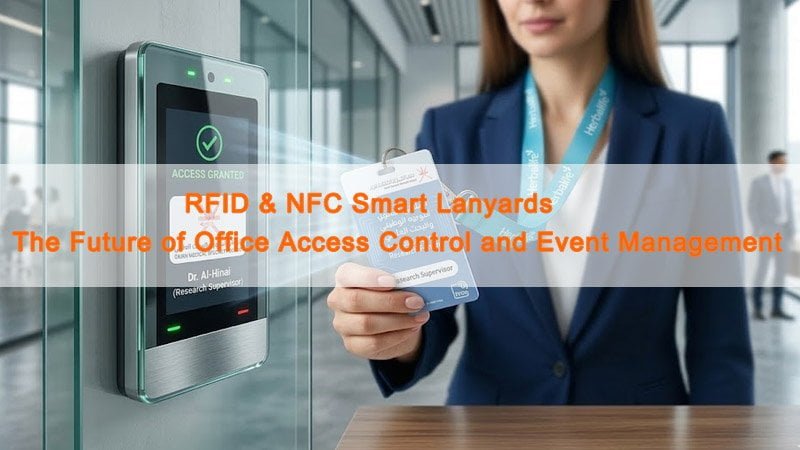
Modern workplaces and large-scale events are rapidly moving toward contactless identity and access systems. Traditional plastic ID cards and paper badges are increasingly being replaced by RFID and NFC smart lanyards that combine identification, security, and data tracking in a single wearable solution.
From corporate office buildings to international conferences, smart lanyards help organizations improve security, operational efficiency, and visitor experience.
In this guide, we explore how RFID and NFC smart lanyards work, their key applications, and how businesses can choose the right solution for office access and event management.
The Shift Toward Contactless Access Systems
Contactless technology has become a major trend in workplace and event management. Organizations are adopting systems that allow users to enter buildings, check into events, and verify identity without physical contact.
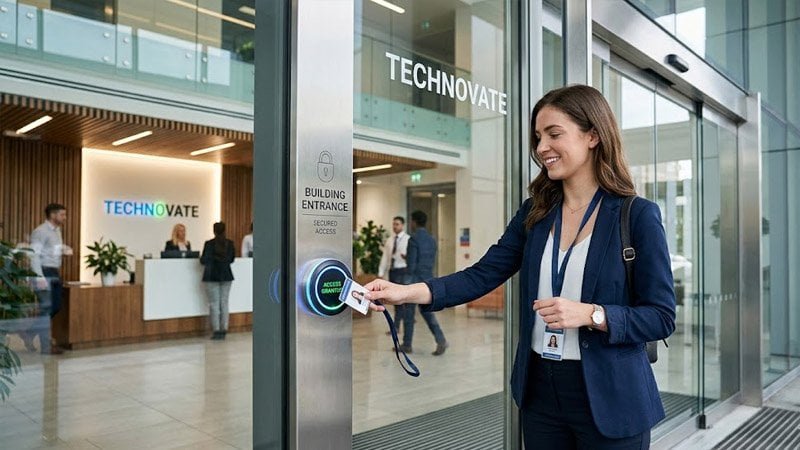
RFID and NFC access systems enable employees or attendees to simply tap or wave a badge near a reader. This reduces waiting time, improves hygiene, and creates a smoother entry process.
Common benefits include:
-
Faster building and event entry
-
Reduced physical contact
-
Automated attendance tracking
-
Real-time access logs
-
Lower administrative workload
For companies managing hundreds or thousands of people daily, these systems significantly improve operational efficiency.
Understanding RFID vs NFC Technology
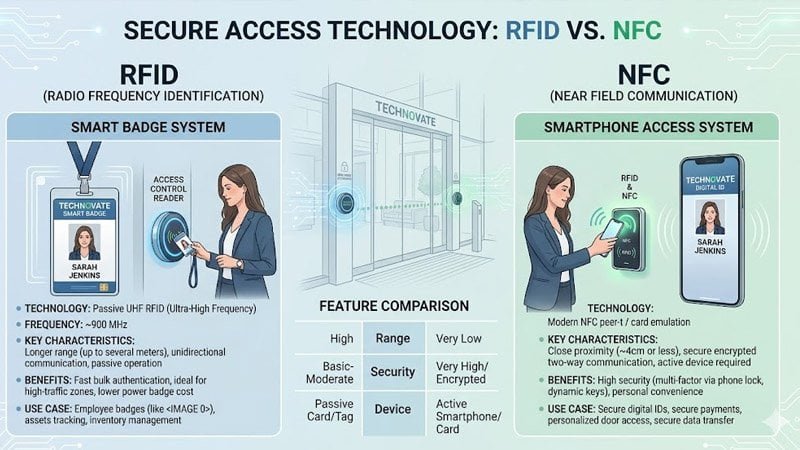
Although RFID and NFC are closely related technologies, they serve slightly different purposes.
Both use radio-frequency communication to transfer data between a chip embedded in a badge and a reader device.
RFID Lanyards
RFID (Radio Frequency Identification) allows data to be transmitted over longer distances. RFID badges are widely used for:
-
Office access control
-
Employee attendance systems
-
Warehouse tracking
-
Conference entry management
RFID scanning can work from several inches to several feet away, making it ideal for high-volume environments.
NFC Lanyards
NFC (Near Field Communication) is a subset of RFID technology that requires very close proximity, usually within a few centimeters.
NFC is commonly used for:
-
Mobile payments
-
Digital business cards
-
Interactive marketing
-
Event networking
Most modern smartphones support NFC, making NFC badges highly compatible with mobile applications.
| Feature | RFID | NFC |
|---|---|---|
| Scan distance | Up to 20 feet | Under 4 inches |
| Security | Medium | High |
| Common use | Access control | Mobile interaction |
| Device compatibility | RFID readers | Smartphones & readers |
Many organizations combine both technologies to achieve flexible and secure access systems.
Smart Offices: Reinventing Workplace Access
Smart offices rely on integrated systems that connect access control with security, data analytics, and workplace automation.
RFID or NFC smart lanyards can be programmed with different permission levels, allowing employees to access only the areas relevant to their roles.
Typical workplace applications include:
-
Building entrance access
-
Department-level security zones
-
Elevator access control
-
Parking access
-
Printer and equipment authentication
Because each lanyard contains a unique digital ID, companies can easily monitor entry records and detect unusual activity.
For facility managers, smart access systems provide real-time dashboards that display:
-
Employee attendance
-
Access attempts
-
Security alerts
-
Peak building usage times
This data helps companies optimize energy usage, office space planning, and security management.
Transforming Event Management
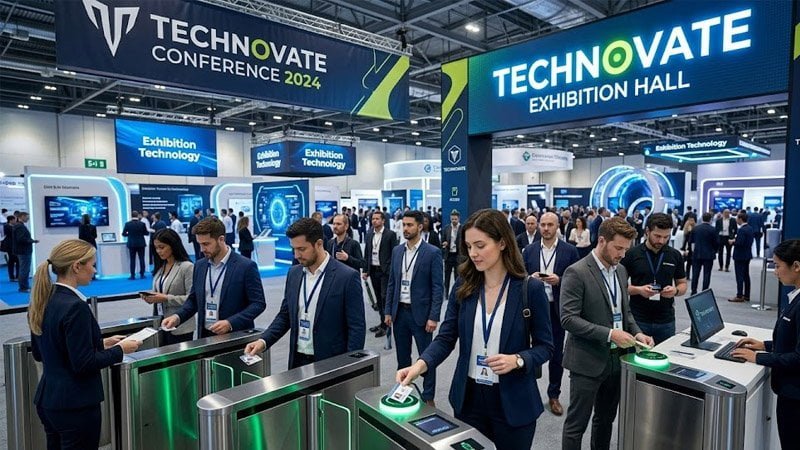
Large conferences, exhibitions, and festivals often face challenges such as long registration lines, lost badges, and limited attendee data.
RFID and NFC event lanyards help solve these problems.
Faster Event Check-In
Instead of manual registration, attendees simply scan their RFID badge at the entrance. This significantly reduces waiting times.
Session Access Control
Event organizers can control entry to specific sessions, workshops, or VIP areas using programmable badges.
Lead Capture for Exhibitors
Exhibitors can scan attendee badges to instantly collect contact details and business information.
Real-Time Event Analytics
Organizers gain valuable insights, including:
-
Session popularity
-
Visitor traffic flow
-
Booth engagement rates
-
Attendee participation levels
These insights help improve future event planning and sponsor ROI.
Enhancing Networking and Data Collection
Networking is one of the most valuable aspects of conferences and trade shows.
NFC-enabled lanyards allow attendees to share digital contact information with a simple tap. Instead of exchanging paper business cards, information is automatically transferred to event apps or CRM systems.
Data collected through smart lanyards may include:
-
Name and company
-
Email address
-
Session interests
-
Booth interactions
-
Event participation history
For exhibitors and sponsors, this creates high-quality, actionable leads without manual data entry.
Security and Identity Verification
Security is a major advantage of smart lanyards.
Unlike traditional badges, RFID and NFC credentials can include:
-
Encrypted chips
-
Unique identification codes
-
Access-level restrictions
-
Real-time monitoring
If a badge is lost, administrators can instantly deactivate it through the system. This prevents unauthorized access and maintains security across the facility or event.
Advanced systems can also support multi-factor authentication, combining badge access with PIN codes or biometric verification.
Integration with Smart Building Ecosystems
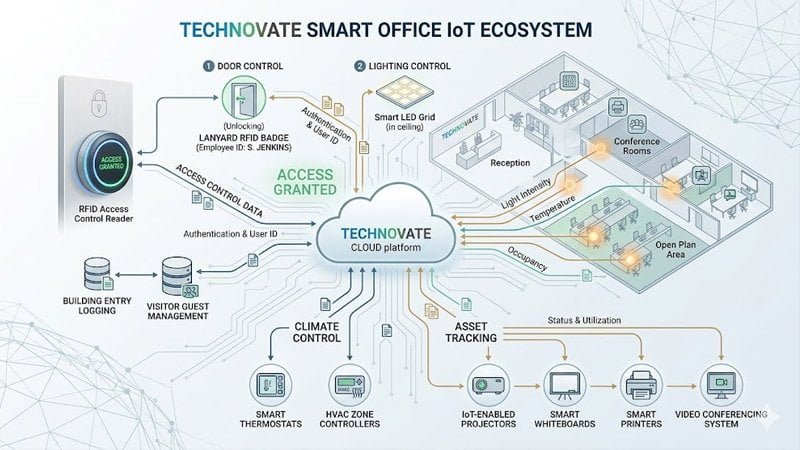
Modern access systems are increasingly integrated with smart building technologies and IoT platforms.
RFID or NFC lanyards can trigger automated actions such as:
-
Unlocking office doors
-
Activating lighting and HVAC
-
Logging employee attendance
-
Printing visitor badges
-
Booking meeting rooms
Through APIs and cloud platforms, these systems can connect with:
-
HR management systems
-
Visitor management software
-
workplace analytics tools
-
CRM systems
-
mobile event apps
This integration creates a fully connected workplace ecosystem.
Sustainability and Reusability
Sustainability is becoming an important factor in corporate purchasing decisions and event planning.
Reusable RFID or NFC badges can significantly reduce waste compared to single-use printed badges.
Advantages include:
-
Reduced plastic waste
-
Lower printing costs
-
Long chip lifespan (5–10 years)
-
Reprogrammable tags
Many event organizers now implement badge return programs, allowing smart badges to be reused for future events.
Future Trends in Smart Lanyards
The next generation of smart lanyards is expected to integrate even more advanced technologies.
Emerging developments include:
-
E-ink display name badges
-
biometric authentication
-
health monitoring sensors
-
NFC payment integration
-
AI-powered event analytics
As workplaces and events become more digital, smart lanyards will play a central role in identity management and user interaction.
Choosing the Right RFID or NFC Lanyard Supplier
When implementing a smart lanyard system, choosing the right manufacturer is crucial.
Key factors to consider include:
Chip compatibility
Common options include:
-
NTAG213 / NTAG215
-
MIFARE Classic
-
MIFARE DESFire
-
UHF RFID chips
Customization options
Businesses may require:
-
custom logo printing
-
woven or polyester lanyards
-
safety breakaway features
-
detachable badge clips
Durability
High-quality lanyards should withstand daily use in offices or large events.
Technical support
Suppliers should be able to assist with chip encoding, reader compatibility, and integration guidance.
Conclusion
RFID and NFC smart lanyards are transforming how organizations manage access control, identity verification, and event engagement.
From smart office buildings to global conferences, these technologies offer faster entry, stronger security, and valuable data insights.
As companies continue to digitize their operations, smart lanyards are becoming an essential part of modern access management systems.
Looking for Custom RFID or NFC Smart Lanyards?
Manufacturers like Guangzhou Lovecolour Co., Ltd. provide custom RFID and NFC lanyard solutions for offices, conferences, exhibitions, and corporate events.
Custom options may include:
-
RFID chip integration
-
NFC smart badges
-
custom printed lanyards
-
eco-friendly materials
-
global bulk production
Choosing the right supplier ensures your organization benefits from secure, reliable, and scalable smart access solutions.