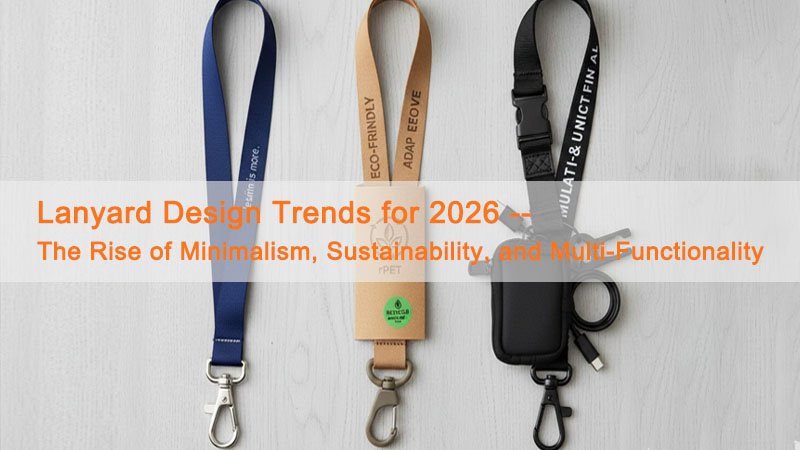
The lanyard is no longer “just a strap.” In 2026, it’s a wearable brand touchpoint—seen in every photo, felt in every hand-off, and judged in seconds. Buyers now expect three things at the same time: a clean aesthetic, responsible sourcing with evidence, and practical features that people actually keep using after the event.
From corporate conferences to campuses and industrial workplaces, lanyards are being evaluated like any other branded product: design quality + durability + documented compliance. If your lanyards look great but fade quickly, or claim “eco” without proof, they can damage trust as fast as they build visibility.
I learned this the hard way early on—when a batch arrived with printing that wore down too fast. The design was fine on day one, but the “first impression” didn’t last. That’s when it became clear: in 2026, design and build quality are the same conversation.
Trend 1 — Premium Minimalism: Spacing, Texture, Typography, and Restraint
Minimalism in 2026 isn’t about making things “plain.” It’s about making them intentional. Premium minimalism uses fewer elements—then executes those elements better: sharper alignment, better materials, cleaner typography, and hardware that feels considered.
Over-designed lanyards often fail for one simple reason: the message gets lost. A lanyard has limited surface space and constant motion. If the design is crowded, the brand becomes noise.
What premium minimalism looks like in 2026
-
Whitespace discipline: consistent margins around logos and text
-
Texture as branding: matte webbing, subtle weave, tone-on-tone jacquard
-
Typography with purpose: high legibility, consistent tracking/kerning, clean wordmarks
-
Controlled color: monochrome, two-tone systems, or muted neutrals with one accent
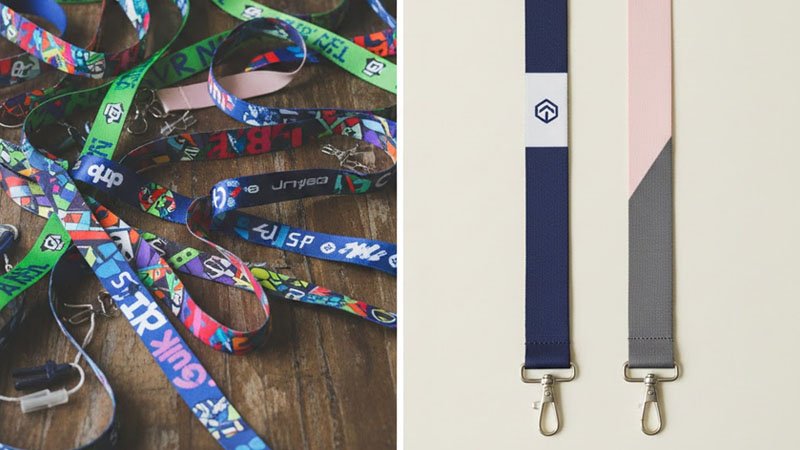
A real-world example: We helped a tech client reduce their lanyard design to two colors, refine spacing, and add a subtle woven texture. The lanyards instantly looked more “premium merch” than “event giveaway”—and attendees actually asked where they came from. That’s the value of restraint done well.
| Element | What to optimize in 2026 |
|---|---|
| Spacing | Clear margins around logos, consistent alignment |
| Texture | Matte webbing, jacquard depth, subtle patterning |
| Typography | Clean wordmark, strong legibility, consistent letter spacing |
| Color | One to two tones, or neutral base with a single accent |
Best for: tech & finance events, premium corporate gifting, executive meetings, brand launches.
Trend 2 — Sustainability with Proof: Materials, Transparency, and Lifecycle Thinking
Sustainability is no longer a “nice option.” It’s increasingly part of the buyer’s checklist—and buyers are also more skeptical. In 2026, it’s not enough to say “eco-friendly.” Brands want proof: what the material is, where it came from, and how it fits their ESG or CSR requirements.
Greenwashing fatigue is real. The winning approach is simple, documented transparency.
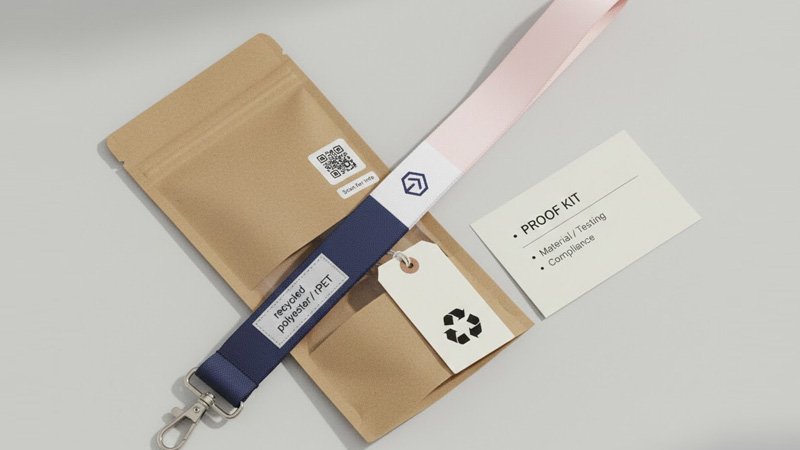
A practical example: One client switched to rPET webbing and added a QR code on the packaging that explained the material choice and production steps. The lanyard looked modern, the story was clear, and procurement felt confident. That clarity helped them scale reorder volume.
What buyers mean by “sustainable” in 2026
Sustainability isn’t only material—it’s the full lifecycle:
-
Material choice (recycled or responsibly sourced)
-
Durability (longer use = less waste)
-
Transparency (documentation, labels, traceability)
-
Packaging (reduced plastic, recyclable options)
-
End-of-life thinking (reuse guidance, easy separation, recycling info)
Recommended material directions for 2026 (practical + credible)
-
rPET / recycled polyester webbing (high adoption for events)
-
Organic cotton (natural feel, premium tactile look)
-
Bamboo / natural blends (when the brand wants a softer, eco-forward aesthetic)
-
Nylon / performance webbing (durability as sustainability—especially for industrial use)
Note: If you use materials like TPE, position them correctly—often more suitable for accessories/components (holders, patches, add-ons) than standard woven webbing.
The “Proof Kit” buyers will ask for in 2026 (include this in your process)
To sell sustainable lanyards confidently, prepare a simple proof bundle. It reduces back-and-forth and makes procurement decisions easier.
A strong Sustainability Proof Kit can include:
-
Material declaration (e.g., rPET webbing) + supporting documentation where available
-
Compliance & social audit references (ISO/BSCI/SGS or equivalent)
-
Quality testing summary (tensile strength, color fastness, hardware pull tests)
-
Packaging spec (what’s recyclable, what’s reduced, what’s optional)
-
Lifecycle guidance (reuse instructions, storage tips, recycling notes)
Best for: universities, NGOs, global brands with ESG reporting, large events with procurement oversight.
Trend 3 — Multi-Functional Lanyards for Badges, Phones & Events
A good multifunctional lanyard makes life easier.
A bad multifunctional lanyard needs an instruction manual.
For 2026, buyers are increasingly interested in lanyards that do more than hold one badge. Depending on the application, that can mean detachable buckles, badge holders, phone tether patches, safety breakaway clips, rotating hooks, key rings or other practical accessories.
The trick is choosing the features people will actually use.
A conference visitor may need a badge and quick-release buckle. A warehouse employee may care more about safety and durability. A retail brand may want a phone attachment. A school may simply need a reliable breakaway lanyard.
There is no single “best” setup. The best custom lanyard is the one designed around the job it needs to do.
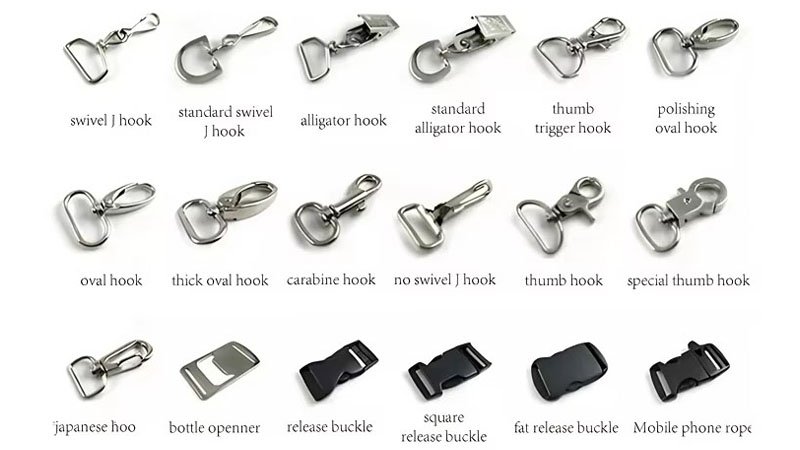
A practical example: We prototyped a lanyard with a quick-release buckle, detachable badge holder, and a simple pen loop. For night events, an optional LED badge accessory improved visibility. The team response was immediate: “This is actually useful.” That’s exactly the point.
Building blocks of a modern multi-function lanyard
-
Quick-release buckles: easy detach + safety + daily convenience
-
Modular clips: swap hooks, dual clips, rotating snap hooks
-
Smart badge readiness: QR/NFC/RFID-friendly badge holders (event workflows)
-
Add-on loops & docks: pen loop, sanitizer loop, tool loop, phone tether patch
-
Comfort + safety: breakaway clasps, adjustable sliders, smoother edges for long wear
Best for: warehouses & factories, high-volume conferences, schools, staff ID programs, multi-day events.
What Are the Most Popular Custom Lanyard Types for 2026?
There is no single lanyard style that works for every project.
After working with lanyards for events, company IDs, schools, promotional campaigns and retail products, we normally start with one very simple question:
How will people actually use it?
That answer usually tells us which material, printing method and hardware make the most sense.
| Lanyard Type | Best For | Why Buyers Choose It |
|---|---|---|
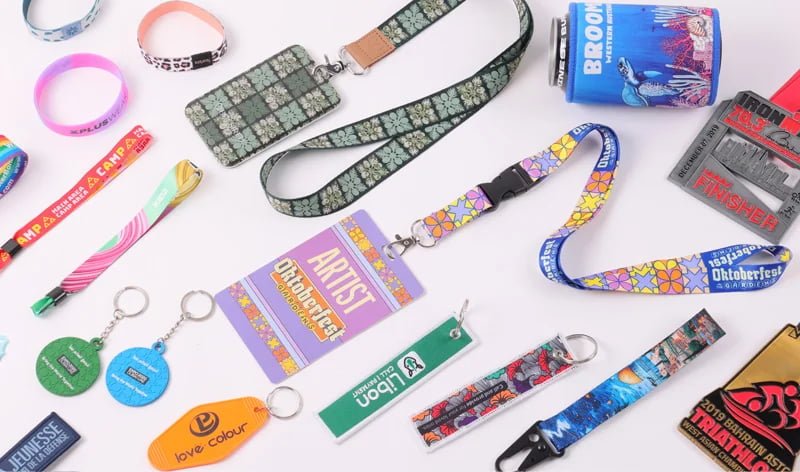
| Heat Transfer Lanyards | Events, exhibitions, colorful brands | Great for gradients, detailed logos and full-color artwork |
| Screen Printed Lanyards | Corporate programs and bulk promotions | Clean and cost-effective for simple logos and solid colors |
| Woven Lanyards | Premium branding and long-term use | Logo is woven into the material for a durable, textured finish |
| rPET Lanyards | Sustainable events and corporate programs | Recycled material with a familiar polyester feel |
| Breakaway Lanyards | Schools, workplaces and staff programs | Added safety where the strap may need to release |
| Badge Lanyards | Conferences, exhibitions and offices | Practical for IDs, visitor passes and event credentials |
| Phone Lanyards | Retail, lifestyle and promotional products | Turns the lanyard into a useful everyday accessory |
A Factory Tip
Do not choose a lanyard simply because it is “trending.”
Choose it because the material, printing method and accessories fit your artwork, your users and your budget.
A woven lanyard is not ideal for photographic artwork. A full-color heat transfer lanyard may be unnecessary for a simple one-color logo. And paying for six accessories when the user only needs one badge clip is a very creative way to increase the cost without improving the product.
The right solution is usually simpler than people expect.
Design Checklist for 2026: What Buyers Appreciate (and What They Reject)
Clear standards reduce revisions, delays, and quality disputes—especially for high-volume orders.
Do
-
Use ≥10 mm width for readability and cleaner print alignment
-
Limit to 1–2 core colors for a premium, modern look
-
Add material proof (labels or QR) when selling sustainability
-
Stress-test modular parts (hooks, buckles, stitching) before mass production
-
Specify print method based on durability needs (not price alone)
Don’t
-
Overload with extra rings and unnecessary metal parts
-
Use low-grade polyester without clear specs (durability matters)
-
Skip tension testing for buckles/clips (failure is reputational damage)
-
Add complex snaps that complicate user experience and increase failure points
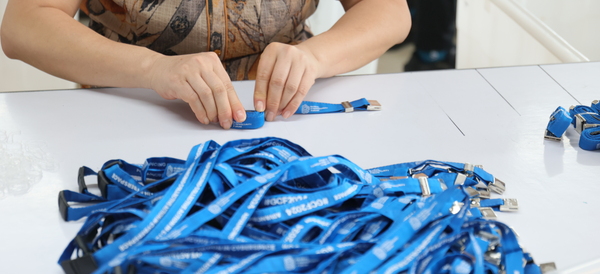
One of the most painful failures I’ve seen was a clip breaking under stress—badge lost, trust lost, and the brand looked careless. In 2026, buyers won’t forgive that. The simplest way to avoid it is to treat hardware and stitching like product engineering, not decoration.
Frequently Asked Questions About Lanyard Trends in 2026
What are the most popular lanyard styles in 2026?
The most popular lanyard styles in 2026 are moving toward minimalist designs, recycled rPET materials, premium woven finishes and practical multifunctional setups with detachable buckles, badge holders or phone attachments.
The right choice still depends on how the lanyard will actually be used.
Are minimalist lanyards better for branding?
For many brands, yes.
A lanyard has limited printing space, so a simple logo with good spacing is usually easier to recognize than a crowded design. Minimalist lanyards can also look more premium when the webbing, printing, stitching and hardware are carefully selected.
Your lanyard does not need to tell your company’s entire life story. It just needs people to recognize the brand.
What is the best material for eco-friendly lanyards?
rPET, or recycled polyester, is one of the most practical choices for many custom lanyard projects because it offers a familiar polyester feel while using recycled material.
Depending on the project, other materials may also be suitable. Buyers should consider durability, packaging and available material documentation as well as the webbing itself.
What makes a high-quality custom lanyard?
A high-quality custom lanyard should have clean printing or weaving, accurate colors, neat stitching, comfortable webbing and reliable hardware.
The printing method should also match the artwork. Simple logos may work well with screen printing, detailed full-color graphics are often better suited to heat transfer, while woven designs are useful when texture and durability matter more than photographic detail.
A lanyard that looks good on day one is nice. A lanyard that still looks good after a week of real use is much better.
What type of lanyard is best for conferences and events?
Heat transfer printed lanyards are popular for conferences and events because they can reproduce detailed logos, multiple colors and repeating graphics.
Badge holders, detachable buckles and breakaway clips can be added depending on the event. For premium corporate events, simple woven or minimalist designs can also work very well.
Conclusion: Design for Keep Rate
The best lanyards in 2026 are designed to be kept, not tossed. That means:
-
Minimalism that feels premium and brand-consistent
-
Sustainability backed by a clear, credible proof kit
-
Multi-functionality that makes daily use easier and more comfortable
A simple next step for buyers
When sourcing 2026 lanyards, ask your supplier for:
-
A material + compliance proof bundle
-
Hardware and stitching test results (or sample stress tests)
-
A pre-production sample matching your final artwork + accessories