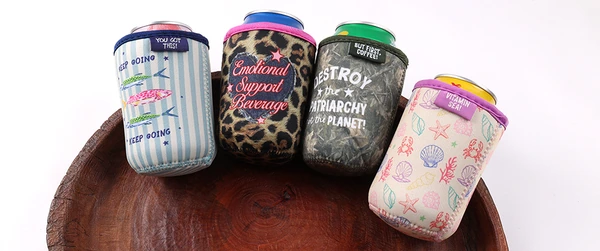
Many OEM projects start with something much simpler: a sketch, reference photo, existing sample, rough dimensions or an idea for a product that does not yet exist.
The challenge is turning that idea into a product that can actually be cut, printed, sewn, inspected, packed and reproduced consistently in bulk production.
This guide explains the practical development process—from the first concept and material decisions through pattern development, physical sampling, revisions, pilot production, quality control and full-scale manufacturing.
It is written for brands, startups, product developers, promotional product companies, retailers and sourcing teams developing custom neoprene products for commercial use.
Reviewed by the LOVECOLOUR Product Team
This guide is based on our experience reviewing artwork, dimensions, samples and production requirements for custom OEM and private-label projects.
Quick Answer: What Do You Need to Start a Custom Neoprene Product?
You do not always need a complete technical pack before contacting a manufacturer.
A custom neoprene project can often begin with one or more of the following:
- A hand-drawn sketch
- A reference photo
- A digital mockup
- A CAD drawing
- An existing physical sample
- Basic dimensions
- A product description
- A list of required functions
The most important thing is to explain what the product needs to do, what it must fit, how it will be used and approximately how many pieces you plan to produce.
From there, the project can move toward a more complete manufacturing specification.
Start With Function, Not Just Appearance
A product can look excellent in a rendering and still be difficult to manufacture or inconvenient to use.
Before discussing colors and logos, define the main function.
Ask:
- What object does the neoprene product need to fit?
- Does it need insulation?
- Does it need cushioning or protection?
- Does it need grip?
- Does the product need to stretch?
- Does it need an open or closed bottom?
- Will the user insert and remove another object repeatedly?
- Will the product be sold at retail or used as a giveaway?
- Does branding need to cover the whole surface or only one area?
- Does the finished item require retail packaging?
These answers influence nearly every later decision, including material thickness, pattern shape, seams, printing, labels and packaging.
What Types of Neoprene Products Can Be Custom Developed?
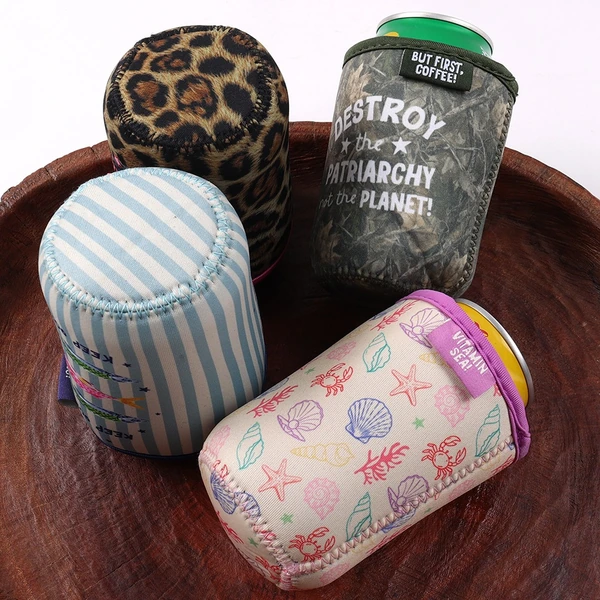
Neoprene is widely used for soft sewn products where flexibility, cushioning, insulation or a comfortable grip is useful.
Depending on the construction and intended application, custom projects may include:
- Drink sleeves
- Cup and glass holders
- Bottle sleeves
- Protective sleeves
- Soft cases
- Pouches
- Small bags
- Promotional accessories
- Drinkware accessories
- Custom sewn neoprene components
If your project relates specifically to glasses, cocktails, barware or specialty drinkware, see our
Custom Neoprene Glassware Accessories
development page.
Step 1: Prepare a Clear Product Brief
The first goal is not to create a perfect specification.
It is to give the manufacturer enough information to understand the project.
Include These Details
- What the product is
- How it will be used
- What it needs to fit
- Approximate dimensions
- Reference photos or sketches
- Preferred material thickness if known
- Artwork or branding requirements
- Estimated first order quantity
- Expected larger order quantity
- Packaging requirements
- Target market
- Delivery country
If you have a target cost, it can also be useful to share it early.
A realistic target helps the manufacturer understand whether the proposed structure needs to be simplified or optimized.
Step 2: Decide Whether the Project Needs Confidential Handling
Some projects involve unreleased designs, proprietary dimensions, new retail products or patent-related information.
If your product concept is confidential, discuss this before sending detailed technical files.
If an NDA is required, raise the requirement first so both sides can confirm the confidentiality process before proprietary drawings, specifications or prototype files are exchanged.
Do not assume every factory follows the same NDA procedure.
Clarifying this early avoids unnecessary uncertainty later.
Step 3: Manufacturer Feasibility Review
Before making a prototype, the basic construction should be reviewed for manufacturing feasibility.
A practical review may include:
- Overall product shape
- Target dimensions
- Material thickness
- Expected stretch
- Seam positions
- Openings
- Bottom structure
- Edge finishing
- Artwork placement
- Label placement
- Packaging considerations
The goal is to identify obvious problems before money is spent on a physical sample.
Step 4: Choose the Right Neoprene Thickness
Neoprene thickness affects more than insulation.
It also affects flexibility, fit, sewing, bulk, hand feel and the overall appearance of the finished product.
Thinner Neoprene
Thinner material is generally more flexible and easier to conform around an object.
It may be appropriate when the product needs a lighter feel or close fit.
Medium-Thickness Neoprene
A medium thickness can provide a balance between flexibility, cushioning and structure.
Thicker Neoprene
Thicker material can provide a more substantial feel and additional cushioning or insulation, but it may require adjustments to seam construction and finished dimensions.
There is no universal “best thickness.”
The correct choice depends on function, size, construction and target product positioning.
Step 5: Confirm Material Surface and Color Requirements
Many custom neoprene products use fabric laminated to the neoprene surface.
The outer fabric influences the appearance, printing method and hand feel of the finished product.
Before sampling, confirm:
- Required exterior color
- Interior color if relevant
- Whether the surface needs sublimation printing
- Whether a solid fabric color is preferred
- Whether color matching is brand-critical
For brand-critical colors, providing a recognized color reference is more useful than describing a shade only as “blue,” “orange” or “green.”
Step 6: Develop the Pattern Around the Real Product Shape
Neoprene products are normally made from flat pieces that are cut and then sewn into a three-dimensional shape.
This means the flat cutting pattern needs to account for the shape of the finished product.
Important pattern factors can include:
- Top width
- Bottom width
- Height
- Taper
- Curves
- Seam allowance
- Material thickness
- Stretch
- Openings
- Bottom construction
A common mistake is designing only the visible outside shape while ignoring how the panels need to be sewn together.
Why Real Dimensions Matter More Than Nominal Size
If the neoprene product must fit around another object, the actual dimensions of that object are normally more useful than a general size name.
For example, two containers described as “20 oz” can still have different heights, top diameters, bottom diameters and tapers.
For drinkware projects, see our
Neoprene Drink Sleeve Size & Measurement Guide
for a detailed measurement workflow.
Step 7: Choose the Printing and Branding Method
Branding should be selected according to the artwork rather than added as an afterthought.
All-Over Dye Sublimation
Suitable for:
- Full-color designs
- Repeating patterns
- Illustrations
- Gradients
- Photography
- Retail collections
For full-surface artwork, see our
Custom All-Over Sublimation Neoprene Drink Sleeves.
Screen Printing
Often suitable for:
- Simple logos
- Solid colors
- Text
- Promotional branding
Heat Transfer
Useful for selected detailed localized graphics and multi-color logos.
Woven Brand Labels
Woven labels can help create a more complete private-label appearance and may be incorporated into suitable seams or other approved positions.
For a detailed comparison of printing methods, see our
All-Over Sublimation vs Logo Printing on Neoprene Drink Sleeves.
Step 8: Prepare Artwork After the Pattern Is Confirmed
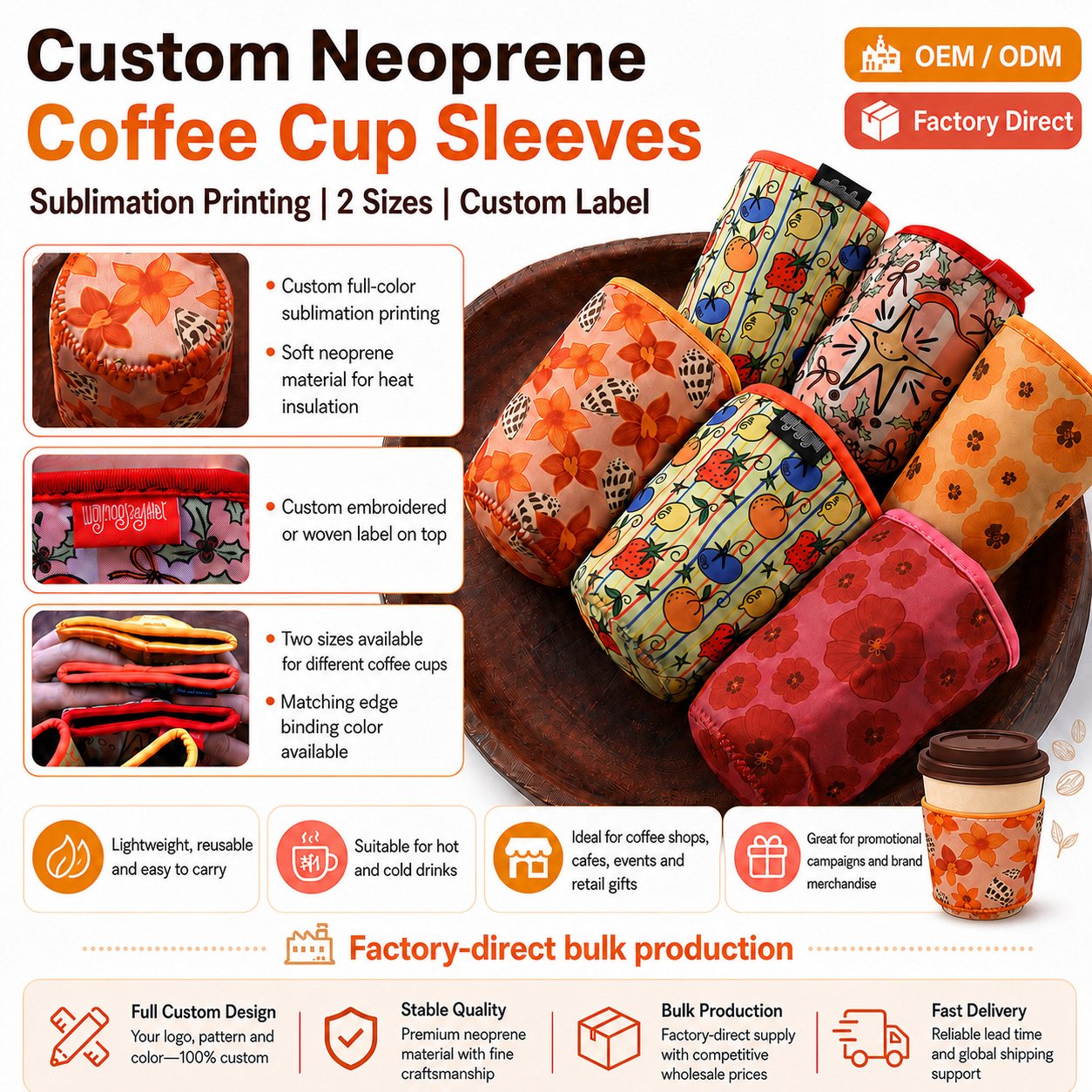
For custom products, the final artwork should normally follow the approved product shape—not the other way around.
A better workflow is:
Product dimensions → construction → pattern → artwork
rather than:
Artwork → guess the final product shape
Artwork preparation may need to consider:
- Bleed
- Safe areas
- Seam locations
- Cutting lines
- Binding areas
- Label positions
- Potential material movement
Step 9: Produce the First Physical Prototype
For a genuinely new product, the physical sample is one of the most important development stages.
A digital rendering can show shape and appearance, but it cannot fully predict how flexible neoprene will behave after cutting and sewing.
The First Prototype Should Be Used to Check:
- Finished dimensions
- Fit
- Ease of use
- Neoprene thickness
- Material feel
- Seam locations
- Opening size
- Bottom structure
- Artwork placement
- Logo position
- Label position
- Overall appearance
Why the First Prototype May Need Revision
A first sample requiring adjustment does not automatically mean the development process has failed.
The purpose of a prototype is to expose issues before bulk manufacturing.
Typical revisions may include:
- Increasing or reducing dimensions
- Changing the taper
- Adjusting seam position
- Changing sleeve height
- Changing neoprene thickness
- Moving a logo
- Adjusting a label
- Changing edge finishing
- Improving fit
- Changing packaging dimensions
Correcting these details during sampling is far less costly than discovering them after hundreds or thousands of pieces have already been produced.
Prototype vs Pilot Run vs Bulk Production
These three stages have different purposes and should not be treated as the same thing.
| Stage | Main Purpose | What You Are Testing |
|---|---|---|
| Prototype | Validate the product concept | Fit, dimensions, material, construction, appearance |
| Pilot Run | Validate repeatability and initial market response | Production consistency, packing, handling and customer feedback |
| Bulk Production | Scale the approved product | Consistency, QC, packing and shipment |
When Does a Small Pilot Run Make Sense?
A pilot run can be useful when a new brand wants to test a product before committing to a substantially larger production quantity.
This can be particularly useful for:
- New retail launches
- Startup products
- New ecommerce listings
- New sizes
- New artwork collections
- Products using a new construction
However, not every product can use the same pilot quantity.
The practical minimum may depend on:
- Material setup
- Product dimensions
- Construction complexity
- Printing process
- Number of designs
- Custom labels
- Accessories
- Packaging
For this reason, buyers should provide both the desired first-run quantity and the expected future bulk quantity.
Step 10: Refine the Product Before Bulk Production
Once the sample has been physically tested, finalize the specification.
Common final adjustments may include:
- Dimension changes
- Seam changes
- Material thickness changes
- Artwork adjustments
- Color corrections
- Label-size adjustments
- Binding changes
- Packaging changes
Once the specification is approved, avoid making casual changes during bulk production.
Why Specification Control Matters
One of the biggest risks in OEM manufacturing is changing details verbally without updating the approved specification.
The final production reference should clearly record the approved:
- Dimensions
- Materials
- Thickness
- Artwork
- Colors
- Seam structure
- Branding
- Labels
- Packaging
A clear specification reduces misunderstandings and makes repeat orders easier to manage.
Pre-Production Approval Before Scaling
For more complex projects, it is useful to confirm that the final production version matches the approved development sample before a large production quantity proceeds.
Important points can include:
- Final production material
- Final artwork
- Final dimensions
- Final branding position
- Final packaging
The exact approval process should match the complexity and risk level of the project.
Step 11: Bulk Production
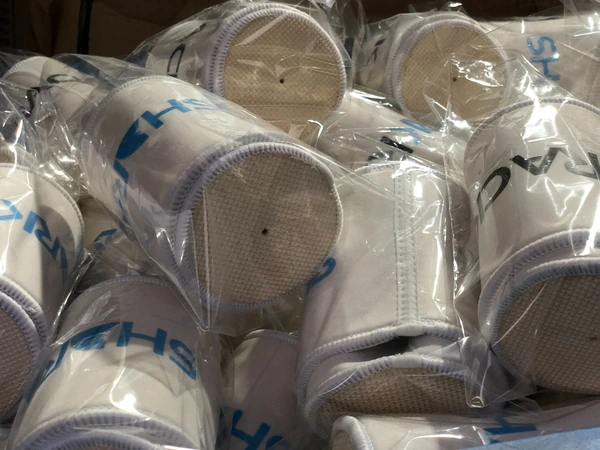
After the product is approved, bulk manufacturing typically moves through several production stages.
Depending on the product, these may include:
- Material preparation
- Printing or branding
- Cutting
- Panel organization
- Sewing
- Finishing
- Label application
- Inspection
- Packaging
- Carton packing
The exact sequence depends on the product construction.
Step 12: Quality Control Should Follow the Approved Product
Quality control for a custom product should not rely only on a generic checklist.
The approved sample and specification should become the primary reference.
Typical Checks May Include:
- Finished dimensions
- Product shape
- Material thickness
- Fit where applicable
- Print position
- Print clarity
- Color consistency within the approved standard
- Stitching
- Seam position
- Edge finishing
- Label placement
- Packaging accuracy
The more clearly the approved standard is documented, the easier it is to inspect production consistently.
Step 13: Plan Retail Packaging Before the Product Is Finished
Packaging should not automatically be treated as the last decision.
For retail or ecommerce products, packaging can affect:
- Finished presentation
- Barcode placement
- Product folding
- Carton efficiency
- Shipping volume
- Retail display
Possible Packaging Components
- Individual polybags
- Backer cards
- Hang tags
- Insert cards
- Barcode labels
- SKU labels
- Customer-supplied FNSKU information where required
- Custom retail packaging
Planning packaging before bulk production helps avoid unnecessary repacking or dimensional problems later.
What Determines the Cost of a Custom Neoprene Product?
A unit price cannot be determined accurately from the product name alone.
Cost can be influenced by:
- Finished size
- Neoprene thickness
- Surface fabric
- Number of panels
- Construction complexity
- Printing method
- Number of artwork designs
- Quantity per design
- Labels
- Additional components
- Packaging
- Total production quantity
This is why the cheapest prototype design is not always the lowest-cost product at scale.
What Determines MOQ?
There is no single MOQ that applies to every custom neoprene product.
Minimum quantities can be influenced by:
- Material requirements
- Printing setup
- Custom color requirements
- Number of artwork designs
- Labels
- Packaging
- Additional components
- Production complexity
When requesting a quotation, provide:
- Prototype quantity
- Desired pilot quantity
- Expected bulk quantity
This gives the manufacturer a better understanding of the project’s likely production path.
What Affects Development and Production Lead Time?
Lead time depends on more than the sewing time.
Common factors include:
- How complete the initial specification is
- Number of prototype revisions
- Material availability
- Artwork approval
- Custom labels
- Packaging development
- Production quantity
- Shipping method
If you have a fixed launch date, event date or retail deadline, share it at the beginning of the project rather than after the sample has been approved.
Scaling From a Small Test Order to Larger Production
A good product-development process should make future scaling easier.
As quantities increase, buyers should consider:
- Whether the approved specifications are documented clearly
- Whether packaging works efficiently at larger volume
- Whether several artwork designs can use the same construction
- Whether carton packing can be standardized
- Whether QC checkpoints need to be expanded
- Whether shipping should change from express or air freight to another method
Scaling successfully is not just about reducing unit cost.
It is also about making the product easier to reproduce consistently.
Multiple Designs: Keep the Construction Standardized When Possible
Brands often launch several artwork designs within one product collection.
For example:
- Five artwork designs
- One product size
- One material thickness
- One label
- One packaging format
This is generally easier to manage than five designs that also use five different product structures.
When possible, keep the physical construction standardized and change only the artwork.
This can simplify:
- Sampling
- Production planning
- QC
- Packaging
- Repeat orders
7 Common Custom Product Development Mistakes
1. Starting With Appearance but No Functional Requirements
A product needs to work before it needs to look good.
2. Providing Only the Volume or Generic Size Name
If the product must fit another object, actual dimensions are normally more useful.
3. Finalizing Artwork Before the Product Pattern
Final artwork should follow the confirmed construction and dieline.
4. Selecting Neoprene Thickness Without Considering Fit
Thickness changes flexibility and finished dimensions.
5. Skipping the Physical Sample
For a genuinely new product, a rendering cannot replace real fit and handling evaluation.
6. Changing Specifications After Approval Without Documentation
Uncontrolled changes create production risk.
7. Choosing a Supplier Based Only on the Lowest Unit Price
Product development also depends on communication, sample accuracy, specification control, QC and repeatability.
What Should You Ask a Custom Neoprene Manufacturer?
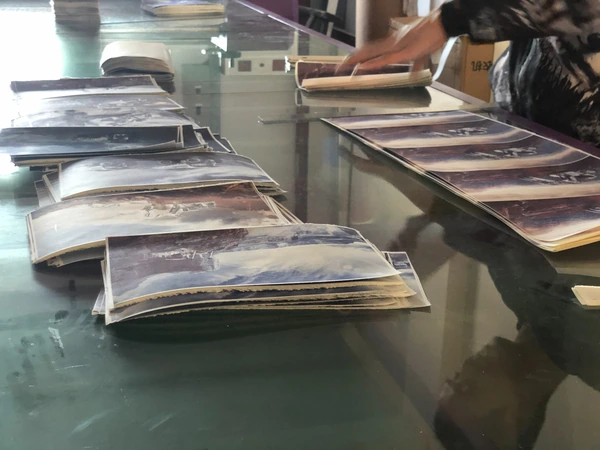
When comparing manufacturers, useful questions include:
- Can you work from sketches or reference products?
- Can you review dimensions before sampling?
- Can you recommend suitable material thickness?
- Can you prepare a custom pattern?
- Can you produce a physical prototype?
- How are revisions handled?
- Can you review pilot-run quantities?
- How is the approved sample recorded for production?
- What QC points are checked?
- Can you support private-label packaging?
- What information do you need for repeat orders?
The answers are often more useful than simply asking:
“What is your lowest price?”
When Should You Use a Standard Product Instead?
Custom development is not necessary for every project.
If an existing standard product already meets your functional requirements, modifying only the:
- Artwork
- Logo
- Color
- Label
- Packaging
may be faster and simpler than creating a completely new structure.
For standard neoprene drinkware formats, explore our
Custom Neoprene Cup Sleeves & Stubby Holders.
When Does Full Custom Development Make Sense?
Full development becomes more valuable when:
- The product needs to fit proprietary drinkware
- The shape does not exist as a standard product
- The function is different from conventional sleeves
- The product is intended for retail sale
- The brand needs its own construction
- You expect repeat production
- Fit consistency matters
Example: Developing a Custom Neoprene Glassware Accessory
A specialty glassware project might follow this route:
- Buyer provides glass dimensions and a concept image
- The intended function and coverage area are confirmed
- Neoprene thickness is selected
- A flat pattern is developed
- Artwork placement is reviewed
- A physical sample is produced
- The sample is tested on the actual glass
- Dimensions or seam positions are adjusted if required
- Retail packaging is confirmed
- The approved specification moves to production
For this type of project, see our
Custom Neoprene Glassware Accessories
OEM development page.
Custom Neoprene Product Development in Guangzhou, China
LOVECOLOUR supports custom OEM and private-label product development from Guangzhou, China for international brands, promotional product companies, retailers and product developers.
For buyers looking for a China neoprene product manufacturer, Guangzhou neoprene product supplier or an OEM neoprene development partner, the most efficient starting point is usually a clear product brief rather than a generic request for a price.
Our development workflow can include:
- Requirement review
- Dimension review
- Artwork checking
- Sample development
- Specification confirmation
- Bulk production
- Quality inspection
- Packaging
- Export packing
You can also review our
Customization & Production Process
for additional information about custom-order workflow.
Custom Neoprene Manufacturing for U.S. and International Brands
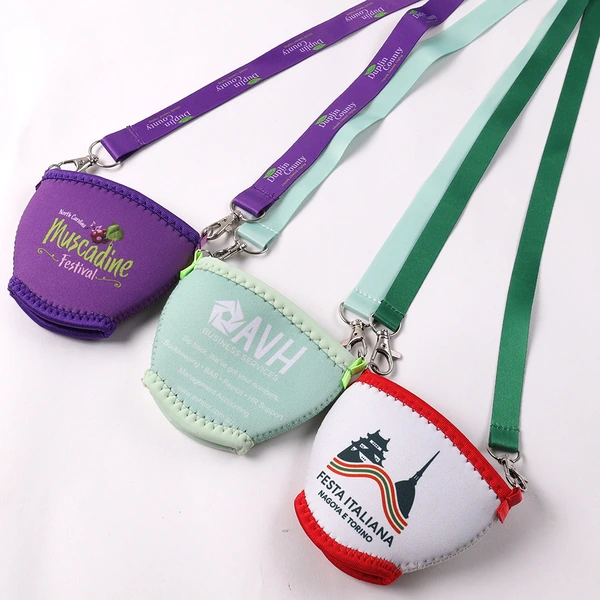
We support custom projects for buyers serving markets including the United States, Canada, Europe, the United Kingdom, Australia and the Middle East.
For international OEM projects, buyers should ideally provide:
- Target market
- Estimated first-order quantity
- Expected repeat quantity
- Packaging requirements
- Delivery country
- ZIP or postal code
- Required arrival date if applicable
Shipping can then be evaluated after the final product dimensions, quantity and packing configuration are confirmed.
Need Multiple Promotional Products in the Same Project?
Some buyers develop a neoprene product as part of a larger merchandise program rather than as a standalone item.
If your project also includes other custom branded merchandise, our sister company
LOVECOLOUR Promotional Products
supports broader promotional-product sourcing and multi-item projects.
For a specialized neoprene product, however, product development should still begin with the individual item’s function, dimensions and approved sample.
Frequently Asked Questions About Custom Neoprene Product Development
Can you develop a neoprene product from a sketch?
Yes. A project can begin with sketches, reference photos, mockups, basic dimensions or a physical sample. More detailed specifications can then be developed before sampling.
Do I need a complete tech pack before contacting a manufacturer?
Not necessarily. A clear explanation of the product function, approximate dimensions, estimated quantity and reference images can be enough to begin an initial feasibility discussion.
Can I send an existing sample?
Yes. A physical sample can be useful when the shape, material or construction is difficult to communicate through photos and measurements alone.
Can you help choose neoprene thickness?
Material thickness can be reviewed based on the intended fit, flexibility, insulation, cushioning and overall product structure.
Can I order only a prototype first?
Prototype development can be reviewed before bulk production. The sample stage is particularly important for new structures, custom sizing and private-label retail products.
Why might the first sample need revision?
A prototype is designed to reveal practical issues in dimensions, fit, material behavior, seams, artwork or packaging before bulk production begins.
What is the difference between a prototype and a pilot run?
A prototype validates the product design. A pilot run tests whether the approved product can be reproduced consistently in a small initial production batch and can also help test early market response.
Can you produce a small pilot order?
Pilot quantities can be reviewed based on product size, construction, material setup, printing, labels, packaging and other production requirements. There is no single pilot MOQ that applies to every custom product.
Can multiple designs use the same product construction?
Yes. Using one standardized product structure with several different artworks can often simplify sampling, production planning, quality control and repeat orders.
Can I request an NDA?
If confidentiality is required, raise the NDA requirement before sending proprietary technical files so both sides can confirm the appropriate confidentiality process.
Can you make private-label packaging?
Retail packaging options can include individual bags, backer cards, hang tags, labels and other project-specific packaging requirements.
How is a custom neoprene product priced?
Pricing depends on size, material thickness, construction, printing, number of designs, branding components, packaging and quantity.
What determines MOQ?
MOQ can depend on the product structure, material, printing process, labels, packaging, number of designs and other custom components.
How long does custom product development take?
The total timeline depends on how complete the initial specification is, the number of sample revisions, material requirements, artwork approval, packaging and final order quantity.
Can you ship custom neoprene products to the USA?
Yes. International shipping options can be evaluated after the final product specification, packing information, quantity and delivery location are confirmed.
Ready to Turn a Neoprene Product Idea Into a Physical Sample?
If you are developing a new neoprene product, start by sending the information you already have.
You do not need to wait until every technical detail is perfect.
For the Fastest Initial Review, Send:
- Product description
- Sketch, mockup or reference photos
- Dimensions if available
- Target function
- Artwork requirements
- Preferred material thickness if known
- Prototype quantity
- Expected pilot quantity
- Expected bulk quantity
- Packaging requirements
- Target market
- Delivery country and postal code
- Required arrival date if applicable
- Confidentiality / NDA requirement if applicable
We can review the project requirements, identify the information still needed and determine the appropriate next step before bulk production.
Related Products & Resources:
Custom Neoprene Glassware Accessories
Custom All-Over Sublimation Neoprene Drink Sleeves
Custom Closed-Bottom Neoprene Iced Coffee Sleeves
Custom Neoprene Pint Glass Sleeves
All-Over Sublimation vs Logo Printing on Neoprene Drink Sleeves
Neoprene Drink Sleeve Size & Measurement Guide
Neoprene Coffee Cup Sleeves: Size, Material & Printing Guide
Customization & Production Process
Send Your Product Concept for an OEM Development Review.